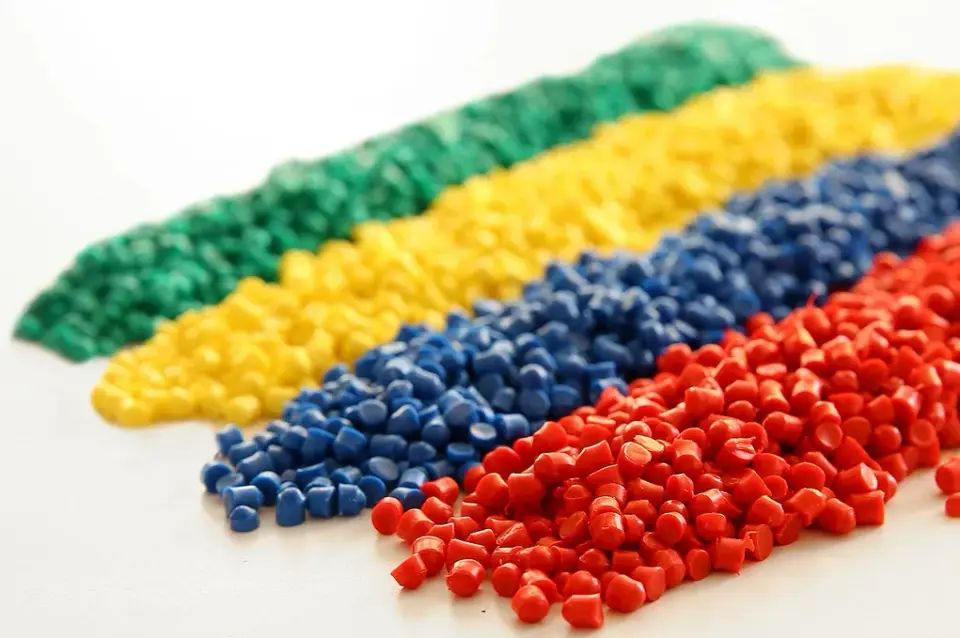
Define the polymer and process
Specify the polymer, processing temperature, pigment loading and finished product. A pigment intended for an injection moulded part may need a different balance of properties from one intended for thin film. Include whether the material is used indoors or outdoors.
Check dispersion and appearance
Compare dispersion, opacity, tinting strength and colour at the intended loading. Examine thin sections or films for visible specks and evaluate filter pressure where relevant. Use the same resin, additives and processing settings when comparing grades so that the results remain useful.
Evaluate processing compatibility
Surface treatment and moisture can affect processing behaviour. Review the technical data sheet and discuss the operating conditions with the supplier. Confirm melt behaviour, surface finish and any effects on the properties required by the finished product specification.
Confirm application requirements
Industrial pigment information does not establish approval for food contact, medical or other regulated uses. Identify the destination market and request the documents needed for your specific application. Complete a production trial before adopting a new grade or changing pigment loading.
For the EU regulatory context, the European Commission: food contact materials overview explains why food-contact requirements need a separate assessment for the final material and intended use.
A trial matrix for masterbatch qualification
| Trial variable | Record and hold constant |
|---|---|
| Carrier and let-down resin | Polymer type, carrier compatibility, additives and final let-down ratio. |
| Pigment concentration | Masterbatch concentration and the actual concentration in the finished part. |
| Processing window | Temperature profile, screw configuration, throughput and residence time. |
| Quality observations | Dispersion, screen residue, colour, opacity, surface specks and processing pressure. |
Record the control grade and use the same resin batch where practical. A white powder that disperses well in a liquid binder may behave differently in an extruder. Screen performance and surface appearance are particularly useful when coarse agglomerates create defects, but their acceptance limits must come from your process and customer requirements.
Connect the trial to the correct product
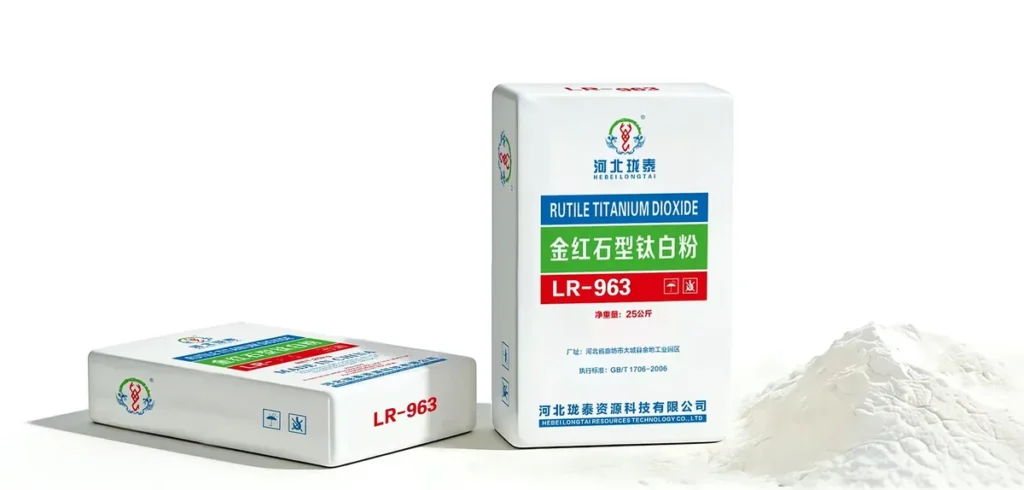
Longtai lists LR963 and R6658 for plastics and masterbatch applications. Compare each entry’s current technical data and surface treatment; similar uses do not establish identical performance.
For food-contact, medical, toy or other regulated end uses, request the documentation applicable to the exact supplied grade and destination. A generic TiO2 SDS or a successful colour trial does not establish that approval. Share your polymer, processing temperature and acceptance criteria in the inquiry so the product discussion starts from the actual application.