Blog

  • Longtai Welcomes Global Buyers at SFCHINA 2026

    Longtai Welcomes Global Buyers at SFCHINA 2026

    Guangzhou, China — 13 November 2026. Hebei Longtai welcomed customers and industry partners from around the world during the China International Surface Finishing Exhibition, SFCHINA 2026. The event provided an opportunity to discuss titanium dioxide and lithopone requirements, compare application priorities and establish cooperation with international buyers.

    For Longtai, the exhibition was an opportunity to turn product introductions into practical conversations: which pigment fits a customer’s formulation, what information is needed to approve a sample, and how to organize dependable cross-border supply. The team reached cooperation agreements with customers and is following up on the product, documentation and delivery requirements discussed at the event.

    Connecting with buyers at SFCHINA 2026 in Guangzhou

    The supplied exhibition poster identifies the event dates as 11–13 November 2026 at the China Import and Export Fair Complex in Guangzhou. SFCHINA connects the surface finishing industry, while the associated CHINACOAT exhibition serves the coatings sector. This setting brings together businesses with different raw-material, process and finished-product requirements.

    Longtai’s discussions focused on white pigments for suitable coatings, plastics, rubber, paper and ink formulations. Surface finishing includes many processes, so pigment recommendations were based on the individual coating or material application rather than assuming every surface treatment uses titanium dioxide.
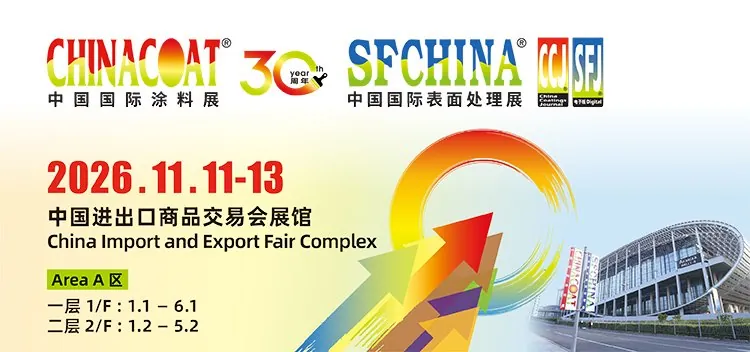
    CHINACOAT and SFCHINA poster announcing 11–13 November 2026 at the China Import and Export Fair Complex
    The supplied event poster lists 11–13 November 2026 at the China Import and Export Fair Complex, Guangzhou.

    Readers can consult the official SFCHINA website and the official CHINACOAT website for organizer information and exhibition updates. These links provide event context and do not imply organizer endorsement of Longtai products.

    From exhibition meetings to customer cooperation

    Face-to-face meetings allowed the team to understand each customer’s intended application, required appearance, processing conditions and purchasing schedule. The conversations covered grade selection, sample evaluation, technical documentation, packaging and shipment arrangements.
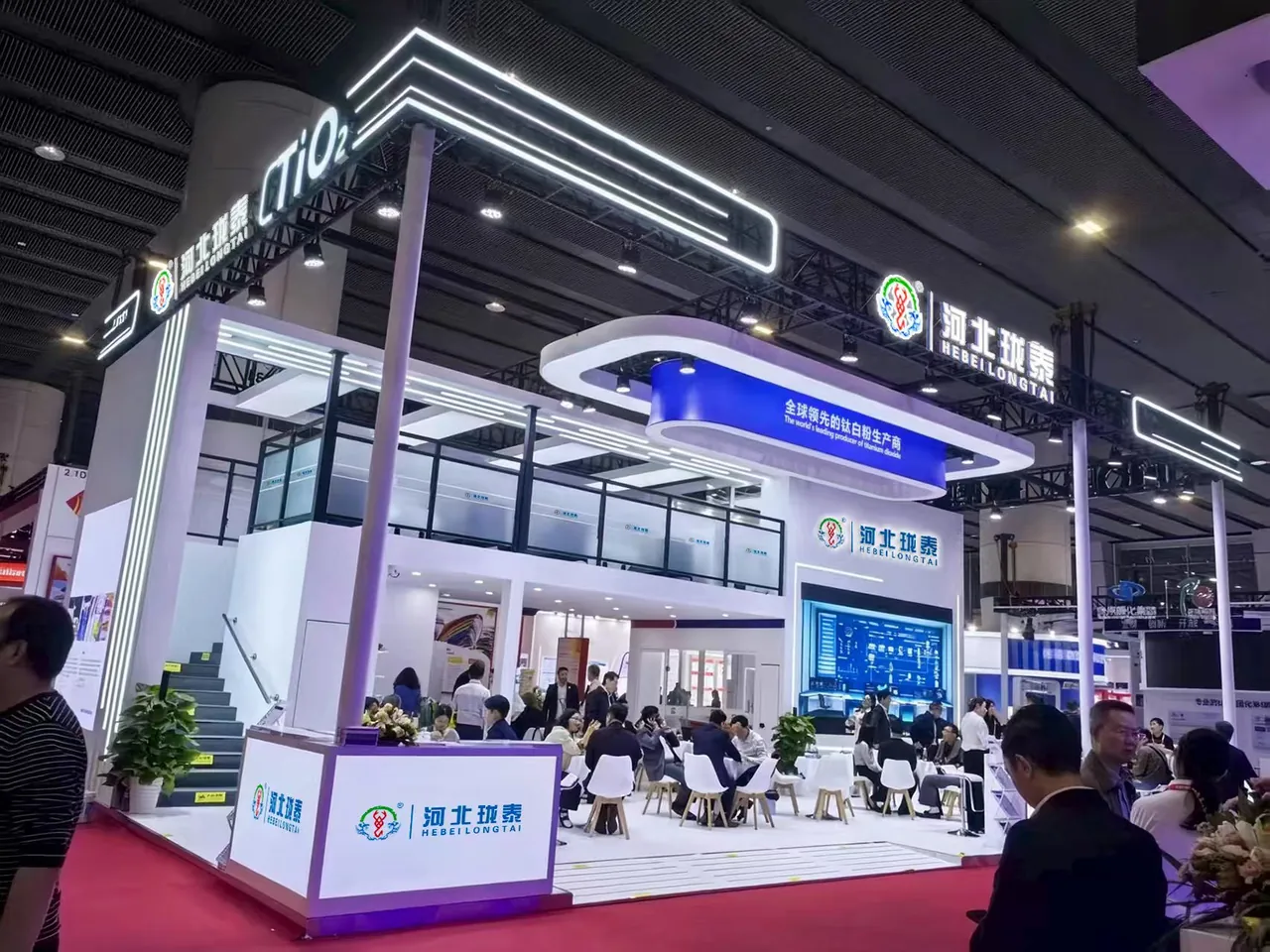
    Visitors around the Hebei Longtai pigment exhibition stand
    The Longtai stand welcomes visitors for product and sourcing discussions.

    The cooperation reached during the exhibition will be supported by follow-up work on agreed specifications, commercial terms and customer evaluations. Longtai’s priority is to keep the selected grade, approved sample and eventual supply requirements aligned, giving both parties a clear basis for the next stage of cooperation.
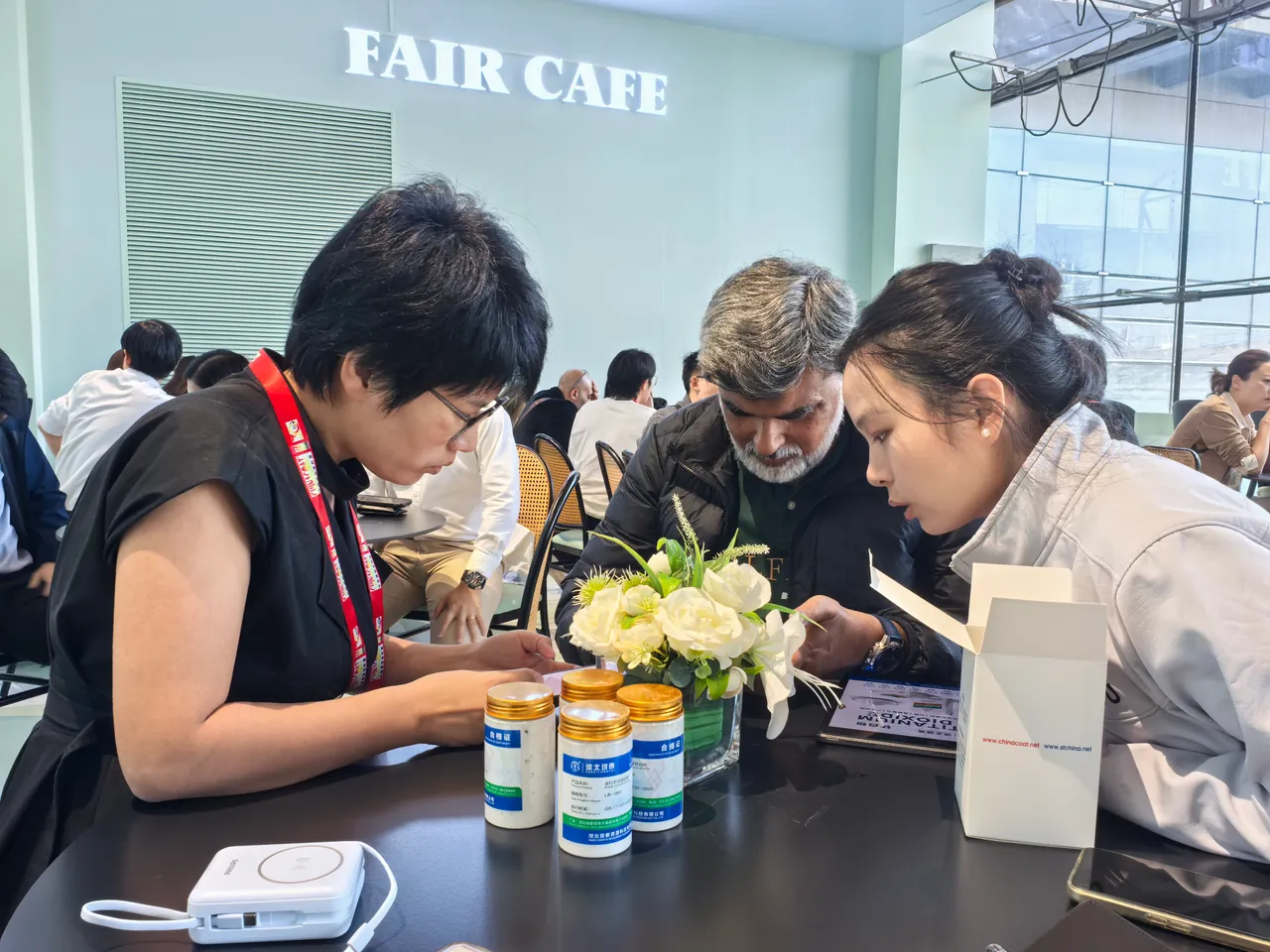
    Exhibition participants discussing pigment samples and product information at a meeting table
    Face-to-face sample discussions help connect pigment specifications with practical purchasing requirements.

    Longtai’s advantages for international pigment buyers

    International purchasing involves more than choosing a white powder. Longtai combines its company capabilities and quality-management approach with application discussions and export coordination to support the procurement process.

    • Application-focused selection: discuss the binder or polymer, process and performance target before recommending a pigment grade.
    • Document-led evaluation: review current technical data, safety information and available batch quality records alongside the customer’s sample tests.
    • Practical communication: connect product questions with sample requirements, packaging and the details needed for a clear quotation.
    • Export coordination: discuss destination requirements, packing options and appropriate FOB or CIF terms for the specific order.
    • Continuity after the exhibition: follow up on technical questions and agreed next steps so that an exhibition meeting can develop into ongoing business.

    Buyers can review the available Longtai product brochures, TDS, SDS and supporting documents, then request the current documents for the exact grade under consideration. A document or certificate should always be checked for its applicable product, scope and validity.

    Titanium dioxide: opacity, whiteness and grade-specific performance

    Longtai’s titanium dioxide product range serves buyers seeking white pigments for selected industrial formulations. Titanium dioxide contributes strong light scattering, helping formulators develop opacity, whiteness and tinting performance. The best commercial grade depends on crystal form, surface treatment, dispersion behaviour and the finished product’s service conditions.

    Rutile titanium dioxide for demanding applications

    Rutile grades are commonly considered for coatings and plastics where opacity and durability matter. Buyers can review Longtai’s chlorination-process titanium dioxide as part of a grade comparison. Weathering, gloss, dispersion and processing compatibility should be assessed using the current specification and the customer’s formulation tests.

    Anatase titanium dioxide for selected formulations

    Anatase grades can be considered for suitable interior, paper, rubber and other formulations where brightness and the required performance balance support their use. They should not be treated as an automatic substitute for rutile in demanding exterior applications. Our rutile versus anatase titanium dioxide guide explains the selection questions in more detail.

    Lithopone: a complementary option for white-pigment formulations

    Lithopone is a composite white pigment based on zinc sulfide and barium sulfate. It can provide whiteness and contribute to opacity in appropriate paint, rubber, plastics and paper systems. Longtai’s B-301 lithopone and B-311 lithopone pages give buyers separate starting points for grade enquiries.

    Its value should be evaluated in the complete formulation. Lithopone is not a universal one-to-one replacement for titanium dioxide: dispersion, exposure conditions, finished appearance and delivered cost all affect the decision. The B-301 and B-311 selection guide helps buyers organize a comparison before approving a sample.
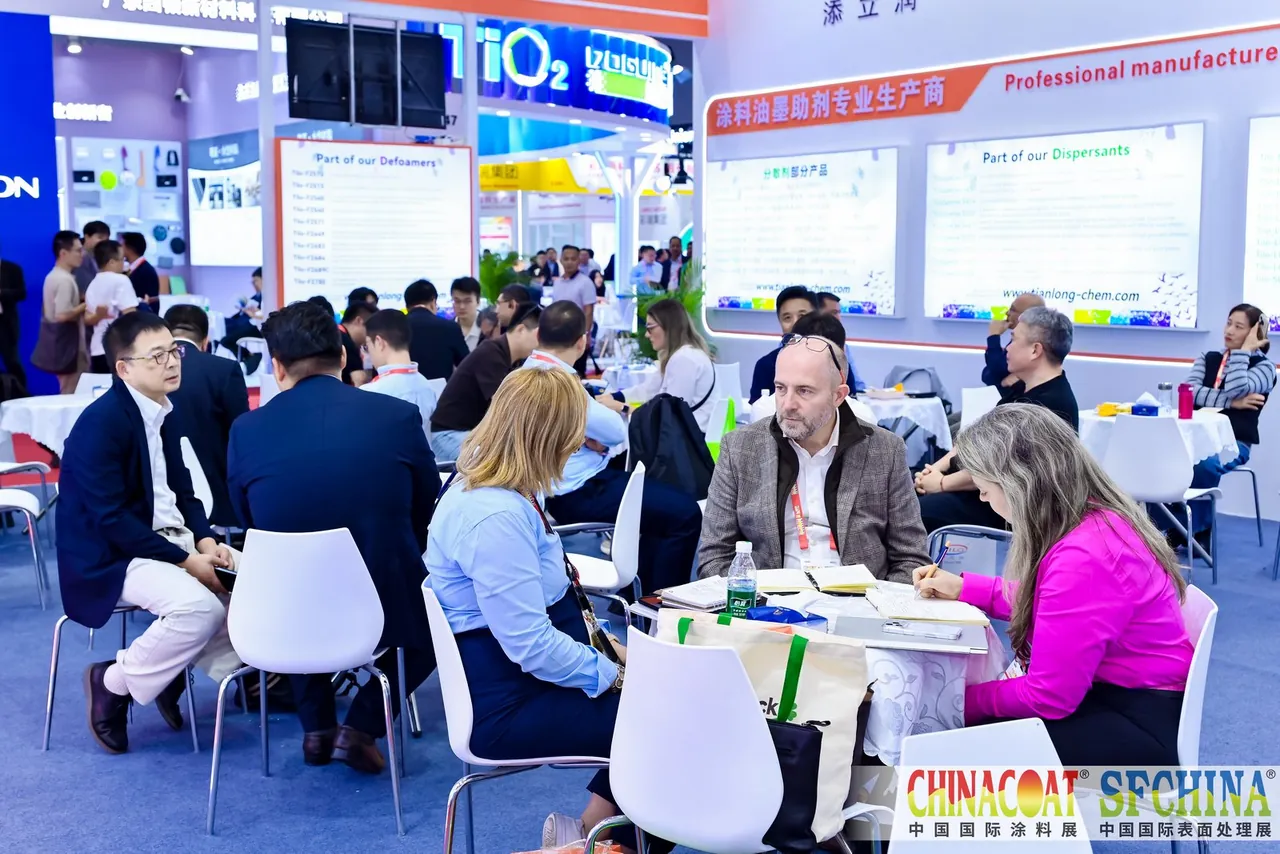
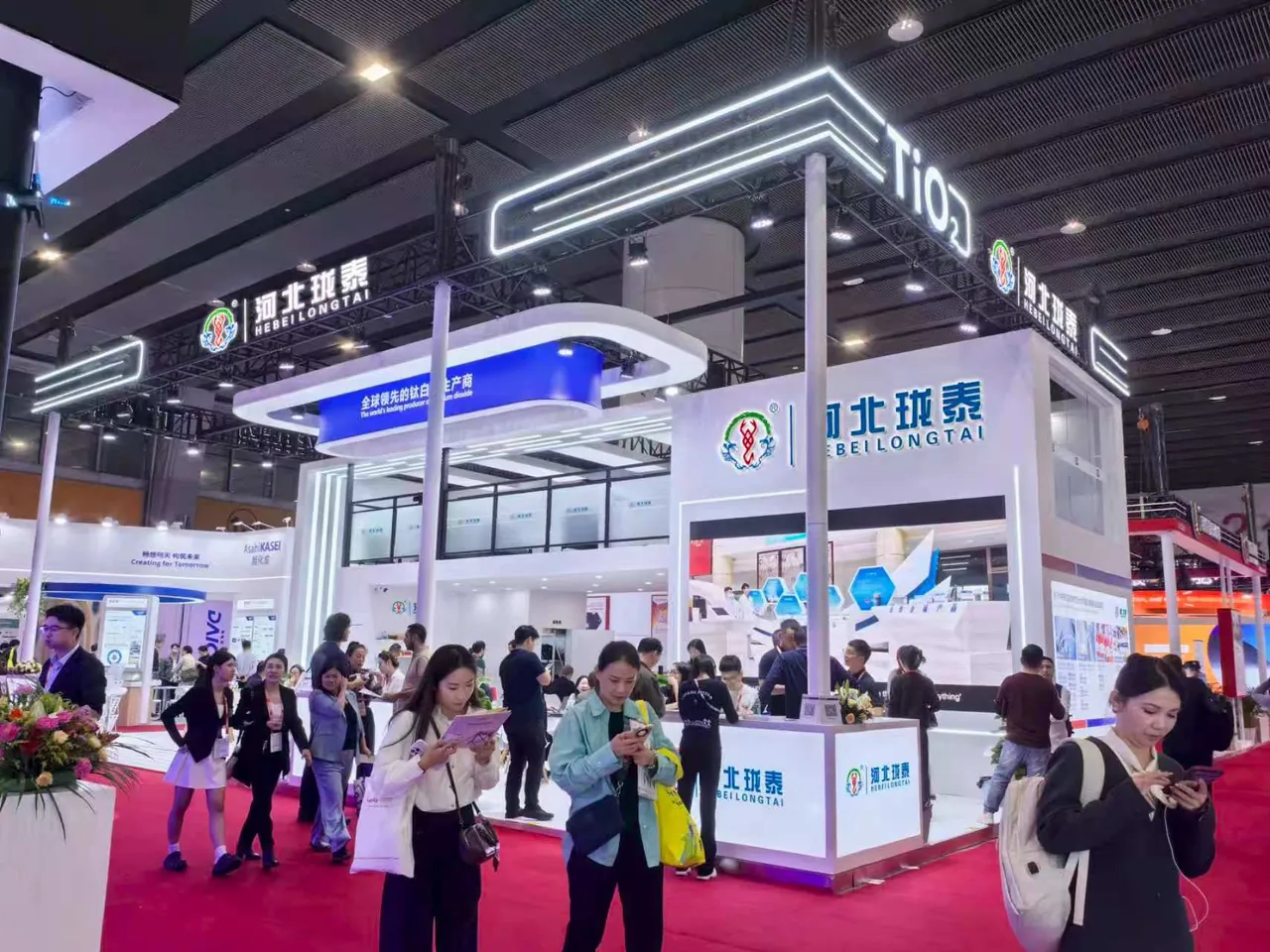
    International visitors meeting across the CHINACOAT and SFCHINA exhibition floor
    International business discussions across the exhibition floor. This image shows the wider event environment.

    Questions international buyers raised at the exhibition

    What information helps Longtai recommend a pigment?

    Share the finished product, binder or polymer, indoor or outdoor use, key performance targets, current grade where relevant, and sample quantity. For a quotation, also provide the estimated order volume and destination port.

    How should buyers compare titanium dioxide and lithopone?

    Start with the finished-product requirements. Compare candidate grades against a control in the intended formulation, measuring appearance, opacity, dispersion and any relevant durability or processing properties. Use documented results rather than powder price alone.

    Can a customer continue discussions after SFCHINA?

    Yes. Longtai welcomes follow-up requests for grade information, documentation, sample evaluation and order discussions. Customers who met the team at the exhibition can include their discussed application or contact reference to help continue the conversation.

    Continue your pigment sourcing discussion with Longtai

    Longtai thanks the international customers and partners who visited and shared their requirements. The team looks forward to building on the cooperation established during SFCHINA 2026 with clear communication, suitable products and practical export support.

    Explore the titanium dioxide and lithopone catalog, learn more about Hebei Longtai, or contact our team for a product recommendation and quotation. Please include your application, required quantity and destination so that the response can address your actual sourcing needs.
  • Lithopone pigment: composition, grades and buyer’s guide

    Lithopone pigment: composition, grades and buyer’s guide

    What is pigment lithopone?

    Lithopone is a white inorganic pigment made from co-precipitated zinc sulfide (ZnS) and barium sulfate (BaSO4). Its Colour Index designation is Pigment White 5. The zinc sulfide component contributes light scattering, while the barium sulfate component contributes body to the composite pigment. It is used in selected paint, rubber, plastics and paper formulations.

    Lithopone occupies a different position from both titanium dioxide and conventional mineral extenders. It can contribute whiteness and opacity, but it does not provide the same hiding power or durability as every TiO2 grade. Purchasing decisions should therefore start with the requirements of the finished product rather than a comparison of powder prices alone.

    How production influences pigment performance

    The general production route reacts zinc sulfate solution with barium sulfide solution to form a precipitate. Filtration, washing, controlled thermal treatment, milling and classification influence the finished particle characteristics. Residual soluble matter, particle distribution and dispersion behaviour can affect how the powder performs in a binder or polymer.

    A supplier’s grade specification and a controlled application trial provide more useful evidence than appearance alone. A bright powder sample can still behave differently during milling, storage or film formation.

    Compare commercial grades using the specification

    Grade names such as B-301 and B-311 identify commercial products, but names from different suppliers are not sufficient proof of identical performance. Review the current specification, test methods and batch documentation. Longtai’s catalog provides separate pages for B-301 and B-311.

    CheckWhy it matters
    Specified ZnS contentHelps define the pigment composition being purchased.
    Whiteness and tinting performanceRelates to finished colour and opacity under a stated test method.
    Oil absorption and dispersionCan influence binder demand, viscosity and processing.
    Moisture and sieve residueHelps assess handling consistency and coarse material.

    Match the pigment to the application

    For interior paints, compare opacity, colour, scrub resistance and storage stability at the intended pigment volume concentration. For rubber, check dispersion, cure behaviour and the required mechanical properties. For plastics, assess colour, processing compatibility and surface appearance. Paper applications require evaluation in the actual wet-end or coating system.

    Where lithopone is combined with titanium dioxide, run a sequence of controlled trials rather than assuming a fixed replacement ratio. Outdoor exposure and demanding durability requirements require particular attention.

    A practical procurement checklist

    1. Define the finished product, substrate and service conditions.
    2. Request the current TDS, SDS and available batch inspection information.
    3. Approve a representative sample using the intended formulation and process.
    4. Agree on specification limits, packaging, shipment terms and batch traceability.
    5. Compare delivered cost at an equivalent finished-product performance.

    Keep the material dry and protected from contamination during receiving and storage. Use the handling measures stated in the supplied SDS.

    For component identity, consult the separate NIST Chemistry WebBook: zinc sulfide and NIST Chemistry WebBook: barium sulfate records. These are general chemistry references, rather than evidence of a Longtai grade’s composition limits, certification or application performance.

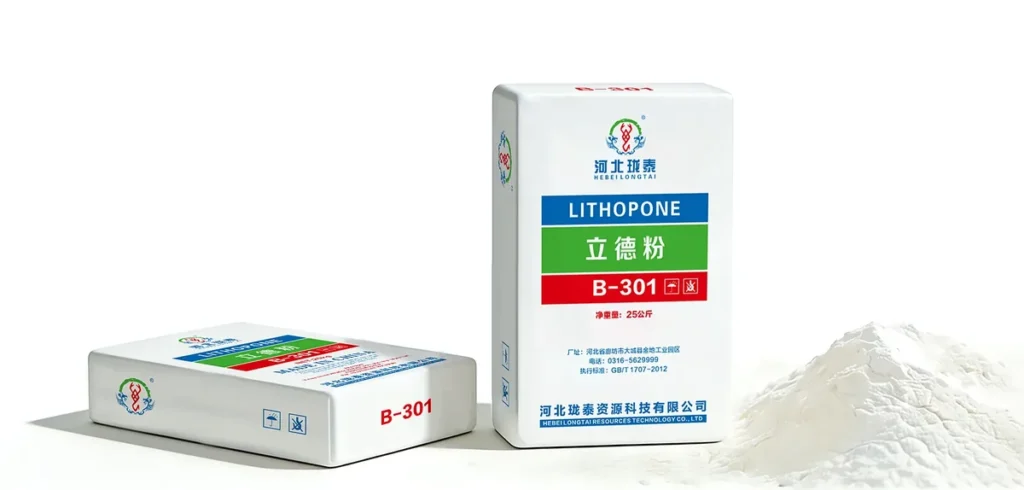
    Longtai B-301 lithopone, packaging pair
    Longtai B-301 lithopone packaging illustration, with the product designation visible.

    Move from the buyer’s guide to an approval record

    Create a short approval record containing the selected grade, sample batch, formulation reference and acceptance criteria. Keep the trial result with the exact quotation and document revision. This prevents a successful laboratory test from being separated from the product actually ordered.

    Approval questionEvidence to keep
    Did the sample meet the end-use target?Drawdown, compound or paper test with the control and test conditions.
    Is the ordered grade the tested grade?Quotation designation, sample identity and agreed specification.
    Can the delivered material be traced?Bag and pallet labels, packing list and shipment batch COA.

    The reference lithopone COA shows the type of information to review. Ask for the report matching your delivery and compare it with your receiving checks; a reference report does not release a new shipment.

    Frequently asked questions

    Can lithopone replace all titanium dioxide?

    There is no universal complete substitution. Opacity, durability, dispersion and end-use requirements determine whether partial substitution is practical.

    Does a grade name establish a guaranteed ZnS percentage?

    Use the supplier’s agreed specification and batch documents. Similar commercial labels do not replace those records.

    How can I request a Longtai recommendation?

    Discuss your application with Longtai Chemical. Include the target grade, required quantity, packaging and destination port so the team can prepare a relevant product recommendation and quotation.

  • Requesting a pigment export quotation from Longtai Chemical

    Requesting a pigment export quotation from Longtai Chemical

    Tell us about the application

    Longtai Chemical’s website covers rutile titanium dioxide, anatase titanium dioxide and lithopone. Start an inquiry with the intended application and any grade you currently use. Include the performance requirements that matter to your process.

    Specify the quantity and destination

    Provide an estimated order volume, delivery location or destination port and preferred trade terms. FOB and CIF inquiries need different shipping information. Packing, availability, lead time and the final commercial terms are confirmed for each quotation.

    Request the documents you need

    Ask for the current technical data sheet, safety data sheet and available batch documentation. If you need sample material, explain the tests you intend to run. Sample availability and arrangements are confirmed by the sales team.

    Use the website inquiry form

    The contact page accepts your name, email, company, product interest and requirements. Including the selected grade helps the team respond with relevant information. You can also contact info@hblongtai.com or use the WhatsApp link displayed on this website.

    The U.S. International Trade Administration: common export documents overview can help you prepare document questions. Confirm the applicable requirements for the actual origin, destination and product with your freight forwarder or broker.

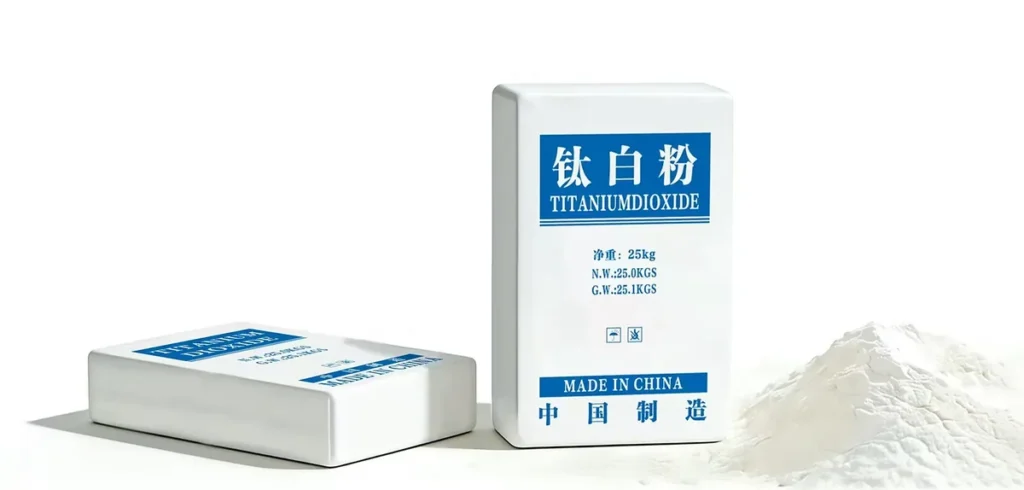
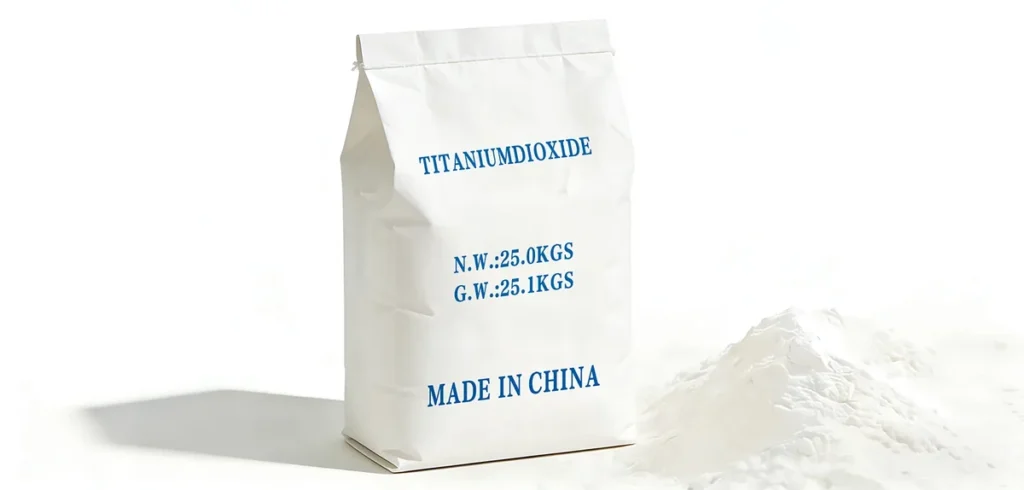
    Longtai titanium dioxide branded export pair, generic packaging illustration
    Illustrative titanium dioxide export-style packaging. Confirm the actual bag, markings and pallet arrangement in the quotation.

    An inquiry template that supports an accurate comparison

    FieldDetails to include
    Product and applicationGrade, current reference material, binder or polymer and intended end use.
    Technical targetKey limits, test methods and the performance issue to solve.
    Quantity and scheduleTrial quantity, planned shipment quantity and requested delivery timing.
    Packing and documentsBag size, pallet requirements, marks, TDS, SDS and shipment COA.
    Delivery basisNamed port or location, preferred trade term, currency and destination.

    If you are still choosing a grade, describe the application rather than selecting a random product. For a coating, include the binder type and interior or exterior service. For plastics, include the polymer and processing conditions. Attach the incumbent specification when it can be shared.

    What to check when the offer arrives

    Compare grade identity, scope of supply, quotation validity, payment conditions and included freight or insurance. A CIF price does not mean that every destination-side charge is included. Ask the forwarder or broker to identify the costs outside the supplier’s offer and the destination documentation requirements.

    Review the available Longtai documents before the technical discussion, then request grade-specific or batch-specific documents where required. Agree on the sample approval and incoming inspection basis before confirming a commercial order. A complete inquiry reduces avoidable revisions and makes competing offers easier to compare fairly.

  • Hello world!

    Welcome to WordPress. This is your first post. Edit or delete it, then start writing!

  • Lithopone price: cost factors and quotation guide

    Lithopone price: cost factors and quotation guide

    Why there is no single lithopone price

    A meaningful lithopone quotation identifies the grade, quantity, packaging, delivery term and destination. Two offers described only as “lithopone” may refer to different specifications and commercial conditions. Compare products on a consistent basis before deciding that one is less expensive.

    This guide explains the cost factors involved; it is not a live price list. Request a dated quotation from Longtai Chemical for the product and shipment you actually require.

    What influences the quoted cost?

    FactorWhat to confirm
    Grade and specificationProduct identity, agreed quality limits and supporting documents.
    Quantity and order patternTrial volume, shipment size and any planned repeat orders.
    PackagingBag size, pallets, moisture protection and special markings.
    Freight and delivery termNamed loading or destination port and the precise quoted term.
    Timing and paymentQuotation validity, lead time, currency and payment conditions.

    Raw materials, energy and logistics can change over time. A historical internet price or a quotation for a different destination cannot be treated as a current offer.

    Compare FOB, CIF and landed costs carefully

    Under an FOB quotation, identify the named port and the costs that the buyer still needs to arrange. Under a CIF quotation, confirm the named destination port and the insurance and freight scope. Incoterms describe responsibilities; they do not by themselves specify every commercial detail or every destination charge.

    Prepare a landed-cost worksheet that includes the relevant goods value, freight, insurance, customs duties, taxes, clearance, local transport and other applicable charges. Avoid counting a cost twice when it is already included in the supplier’s term. Ask your customs broker to confirm classification and destination rules.

    Measure cost at equivalent product performance

    The lowest cost per kilogram of pigment may not give the lowest cost per square metre of coating or per unit of finished compound. Dispersion, binder demand, dosage and reject rates can change the overall result.

    When assessing lithopone alongside titanium dioxide, run trials that hold the required opacity and durability constant. A cheaper pigment package that needs more material or fails the customer specification is not an equivalent comparison.

    A quotation request that avoids unnecessary revisions

    State whether you are considering B-301, B-311 or need a recommendation. Include the application, expected quantity, packaging, destination port, delivery preference and required documents. If you are replacing an existing grade, provide the current technical target rather than only a competitor’s trade name.

    Before placing an order, agree on the applicable specification, sample approval process, shipment schedule and traceability records. Keep the accepted quotation with the purchase order.

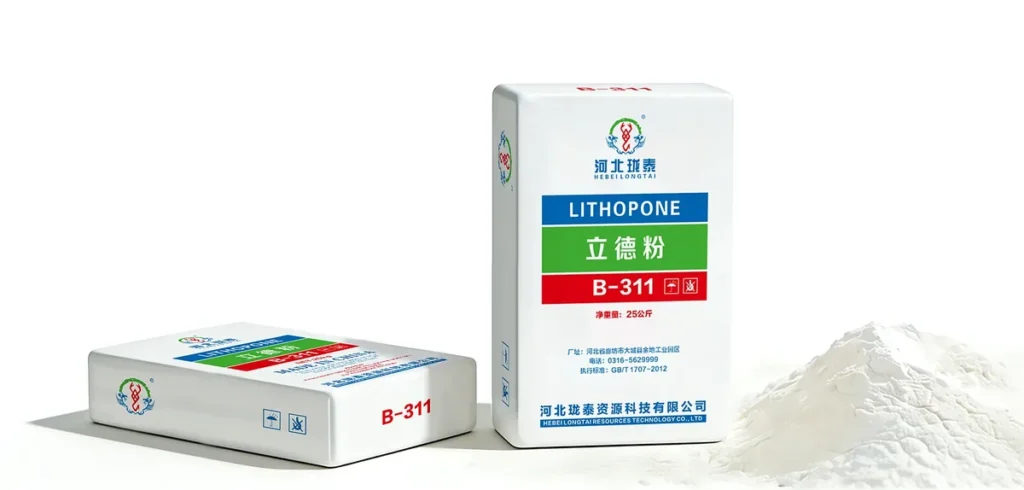
    Longtai B-311 lithopone, packaging pair
    B-311 lithopone packaging illustration. Grade identity and packing form should be consistent across quotations.

    A landed-cost comparison worksheet

    Cost lineComparison rule
    Goods valueUse the same approved grade specification and quantity.
    Freight and insuranceCheck whether already included in the quoted term before adding them.
    Destination chargesConfirm clearance, taxes, duties and local delivery with the relevant service providers.
    Usable outputCompare the pigment package at the required finished-product quality.

    Record the quotation date, validity, currency and named location beside every cost figure. Avoid combining an old freight estimate with a current goods offer without checking both. If a different pigment loading is needed, calculate the effect using the accepted formulation rather than assuming equal performance per kilogram.

    Use the inquiry template to obtain comparable offers and the B-311 product page to identify the technical basis.

    Frequently asked questions

    Can a website give a reliable current price?

    A firm offer requires the actual specification and commercial details. Use a dated supplier quotation with a stated validity period.

    Is an imported product always cheaper?

    Compare the complete delivered cost, lead time and approved performance for your location.

    How can I get a Longtai offer?

    Discuss your application with Longtai Chemical. Include the target grade, required quantity, packaging and destination port so the team can prepare a relevant product recommendation and quotation.

  • Using Longtai’s online titanium dioxide and lithopone catalog

    Using Longtai’s online titanium dioxide and lithopone catalog

    Browse by pigment family

    The product center groups the available catalog into rutile titanium dioxide, anatase titanium dioxide and lithopone. Open an individual product page to review its grade name, description and published technical parameters.

    Review the application guides

    The applications section covers coatings, plastics, paper, printing inks, rubber and ceramics. Use these pages to prepare an application discussion rather than treating a general description as approval for every formulation.

    Check the current documentation

    Online specifications provide a useful starting point. Product indices remain subject to the applicable inspection report. Confirm the current TDS, SDS and available batch documentation for the exact grade before placing an order.

    Send a product-specific inquiry

    Use the quote link on a product page to open the contact form with that product selected. Add your expected quantity, destination and technical requirements. For broader questions, the FAQ and News sections explain common selection and procurement topics.

    For shipment planning, the U.S. International Trade Administration: common export documents overview illustrates common document types. The documents required for a Longtai order depend on the actual product, destination and agreed commercial terms.

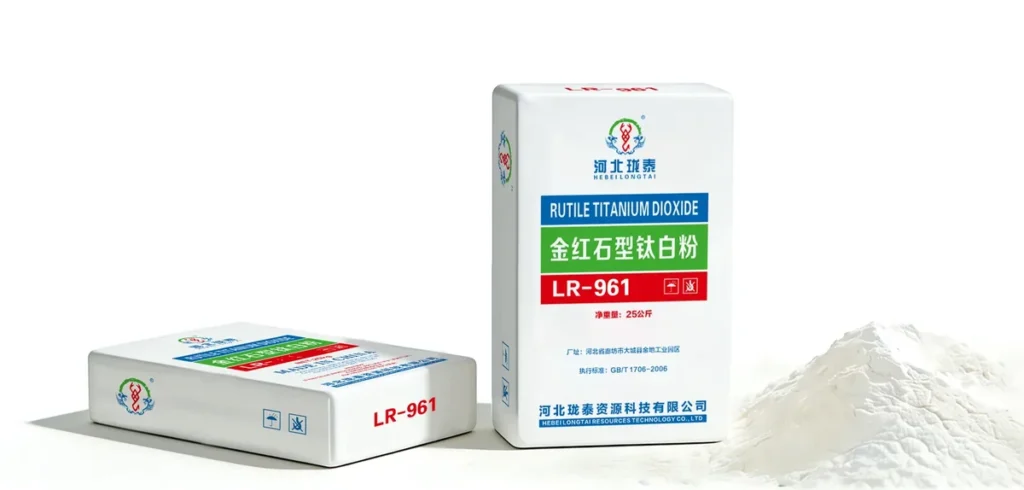
    Longtai LR-961 titanium dioxide, packaging pair
    LR-961 packaging illustration from the Longtai titanium dioxide product range.

    Navigate by application, then check the model

    RequirementUseful starting point
    Multipurpose rutile pigmentLR960 product page and the matching LR-960 TDS.
    Plastics and masterbatchLR963 and R6658 entries, followed by a polymer processing trial.
    Water-based paper or paintLR962 and R6638 entries, with water-dispersion and application checks.
    Printing inks and colour pastesLR966 or R6668 entries, with vehicle-specific dispersion tests.
    Lithopone evaluationSeparate B-301 and B-311 pages and the reference COA.

    Use these as a discussion shortlist. Product names, a similar bag design or a shared application do not prove that two grades are interchangeable. Open the technical table for each candidate and record the particular property or processing issue you need to improve.

    Turn browsing into a useful inquiry

    Visit the download center for the catalog and available technical documents. The catalog contains Chinese and English sections; request a current English TDS for the exact grade when needed. The LR-960 sheet is not a general specification for all titanium dioxide products.

    When using a product-specific quote link, keep the selected grade in the form and add the binder or polymer, intended use, trial or order quantity and destination port. If you are comparing several candidates, explain the difference you are testing. This gives Longtai a clearer starting point than an inquiry that asks only for the lowest pigment price.

  • Lithopone packaging, storage and transport checklist

    Lithopone packaging, storage and transport checklist

    Agree on packaging before dispatch

    Lithopone is supplied as a fine white powder, so packaging needs to protect it from moisture, loss and contamination during storage and transport. Confirm the bag size, lining, closure, pallet arrangement and shipping marks in the quotation and order.

    Packaging availability depends on the product and the agreed shipment. If 25 kg bags, bulk bags or a particular customer marking are required, ask Longtai Chemical to confirm the exact arrangement before purchase rather than assuming every option is standard.

    Inspect and identify the delivery

    1. Check bags and pallets for tears, moisture or visible contamination.
    2. Match the grade, quantity and batch identifiers to the order and delivery records.
    3. Keep any available inspection documents with the batch record.
    4. Record damage before moving affected material into production stock.
    5. Investigate caking or unusual condition before use.

    A packaging inspection complements the agreed material checks; it does not replace application or quality testing.

    Keep the warehouse dry and organized

    Store sealed bags in a covered, dry area, protected from rain and standing water. Use an appropriate pallet or storage arrangement to separate stock from the floor, and keep access available for inspection. Follow the supplier’s handling guidance and the site’s stacking limits.

    Keep pigment away from acids and other incompatible chemicals according to the current SDS. Prevent cross-contamination from other powders. When a bag is opened, close it appropriately and preserve grade and batch identification on any secondary container.

    Reduce damage during transport and handling

    Handle bags gently and use equipment appropriate to their weight and pallet condition. Protect the load from rain and packaging abrasion. Review container or vehicle condition before loading, and agree on any special moisture protection needed for the route.

    RiskPractical check
    MoistureCovered storage, sound packaging and dry loading conditions.
    Torn bagsCareful handling and inspection of pallets and lifting equipment.
    ContaminationClean storage areas and separation from incompatible materials.
    Lost traceabilityLegible grade and batch labels throughout handling.

    Handling powder in production

    Read the current SDS before opening or transferring powder. Control dust and use the workplace exposure measures appropriate to the task. Avoid dispersing spills into the work area and follow the site’s cleanup and disposal procedures.

    If storage condition or age raises a concern, review the material with your quality team and supplier before use. Do not assign a universal shelf life without the applicable product documentation.

    See UK HSE guidance on chemical safety data sheets for general UK guidance on how safety data sheets support handling decisions. Confirm transport classification and precautions using the actual product’s current documents and shipment requirements.

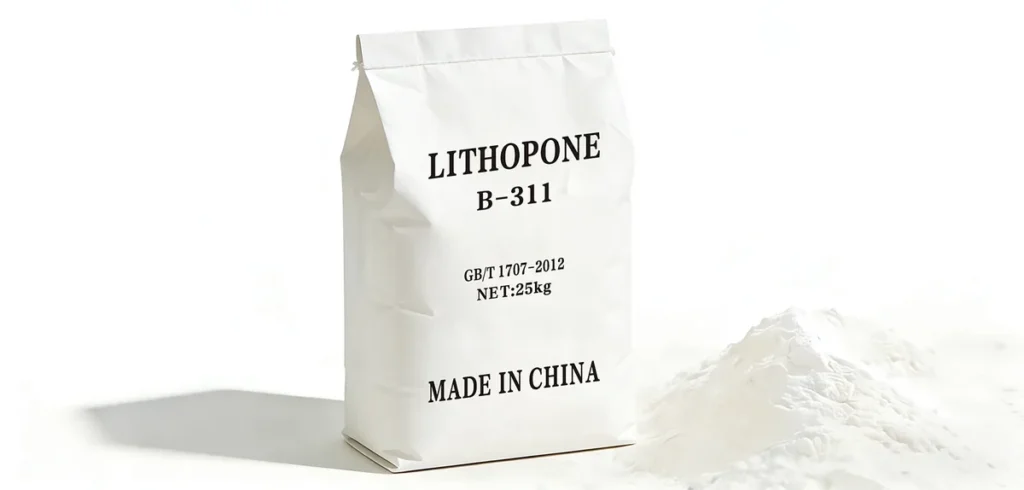
    Longtai B-311 lithopone, plain export bag
    Illustrative plain export-style B-311 lithopone bag. Confirm the actual package and marks for the order.

    Agree on a packing and receiving record

    Packing detailConfirm before dispatch
    IdentificationFull product designation, net weight, batch and consignee marks where required.
    ProtectionBag integrity, pallet arrangement and moisture protection appropriate to the shipment.
    DocumentsPacking list, shipment identification and the applicable batch inspection report.
    Receiving evidenceCondition photographs and a record of shortages, torn bags or wet material.

    Ask for the agreed packaging arrangement in the order confirmation, especially when different export labels or pallet requirements apply. Packaging photographs illustrate appearance; they do not establish the construction or protection supplied on every order.

    Use grade-specific storage and handling controls after arrival, and preserve the batch identity when partial bags are issued to production.

    Frequently asked questions

    Can moisture-damaged powder be used immediately?

    Quarantine and assess it against the product and process requirements first. Dry appearance alone does not establish suitability.

    Are all packaging sizes available for every order?

    The supplier needs to confirm the available and agreed packaging for the grade and shipment.

    What should I include in a packaging inquiry?

    Discuss your application with Longtai Chemical. Include the target grade, required quantity, packaging and destination port so the team can prepare a relevant product recommendation and quotation.

  • Lithopone production: a practical process overview

    Lithopone production: a practical process overview

    From dissolved feedstocks to composite pigment

    Lithopone, sometimes referred to as Lide powder, is a zinc sulfide and barium sulfate composite white pigment. The general production route begins with a double-decomposition reaction between barium sulfide solution and zinc sulfate solution, forming a co-precipitate.

    The reference process is commonly summarized as precipitation, filtration, thermal treatment, grinding, drying and classification. The exact equipment and operating conditions vary by producer and grade. This article gives a technical overview rather than an operating procedure or a description of a specific Longtai production line.

    Precipitation, separation and washing

    Precipitation establishes the composite material. Separation and washing remove the process liquid and help control residual soluble matter. These stages influence the consistency of the material entering subsequent treatment.

    Buyers normally assess the resulting product through its agreed specification and inspection information rather than attempting to infer quality from a simplified process diagram.

    Thermal treatment, milling and finishing

    Controlled thermal processing influences pigment characteristics. Subsequent wet or dry grinding, drying and classification help produce the particle distribution and powder condition needed for handling and dispersion.

    Process quality matters because coarse material, excess moisture or inconsistent dispersion can affect the finished paint, rubber or plastic product. A bright appearance alone does not demonstrate that these characteristics are controlled.

    What quality information should a buyer request?

    AreaRelevant information
    Grade identityThe exact product and agreed specification.
    Composition and optical behaviourSpecified composition and results under stated test methods.
    Powder conditionMoisture, residue and handling-related characteristics.
    Application performanceA representative trial in the intended binder or polymer.
    TraceabilityBatch identification and available inspection records.

    Keep the sample reference, test conditions and purchase specification together. If a delivery behaves differently, this information helps the supplier investigate the difference.

    Connecting the process to your application

    Review B-301 and B-311 using current product data. For coatings, assess dispersion and dry-film properties; for rubber and plastics, include processing and the mechanical or appearance requirements of the finished article.

    The NIST Chemistry WebBook: barium sulfide identifies one feedstock mentioned in the general reaction. It is a different substance from the finished lithopone pigment; use the SDS for each material actually handled.

    Longtai B-301 lithopone, packaging pair
    B-301 lithopone packaging illustration. Process descriptions should be linked to measurable product properties.

    Translate process information into useful buyer questions

    Process stageRelevant purchasing question
    Precipitation and washingHow are composition and soluble residues checked?
    Thermal treatmentWhich finished optical properties are included in the grade specification?
    Milling and finishingHow are coarse residue and dispersion assessed?
    Batch releaseWhich results appear on the shipment COA and how is the lot identified?

    A general process flow explains how the pigment is produced, but it does not reveal the operating conditions or guarantee a particular grade’s performance. Buyers should connect each claim to the current specification, agreed method and an application trial.

    Compare the B-301 technical table with the reference batch COA, then request the corresponding records for the material offered.

    Frequently asked questions

    Is lithopone made by simply blending two powders?

    The pigment family is generally based on co-precipitated zinc sulfide and barium sulfate, followed by further processing.

    Does a production summary guarantee a grade’s performance?

    No. Use the agreed specification, batch records and application testing.

    Where can I ask about a Longtai grade?

    Discuss your application with Longtai Chemical. Include the target grade, required quantity, packaging and destination port so the team can prepare a relevant product recommendation and quotation.

  • Storage and handling checklist for titanium dioxide and lithopone

    Storage and handling checklist for titanium dioxide and lithopone

    Inspect incoming packaging

    Check bag condition, grade labels and batch numbers against the delivery documents. Record damage or moisture exposure before moving material into storage. Retain the lot identification so a warehouse issue can be traced to the correct shipment.

    Follow the product’s storage instructions

    Use the current SDS and packaging instructions for the supplied grade. In general, protect unopened bags from moisture and contamination and store them in a suitable dry area. Follow the supplier’s stacking guidance and use appropriate pallets and handling equipment.

    Control dust during handling

    Use the exposure controls and personal protective equipment specified by the workplace assessment and SDS. Plan bag opening and powder transfer to reduce dust release. Avoid practices that disperse deposited powder into the air.

    Check material before use

    Keep opened material sealed and clearly identified. Investigate damaged packaging, unexpected agglomeration or contamination before adding pigment to production. Ask the supplier about recommended storage periods and the checks needed if material has been stored for an extended time.

    Use the Longtai online product catalog guide to identify the exact grade before asking for its handling documents. The UK HSE guidance on COSHH risk assessment explains a UK workplace assessment approach; apply local requirements and the supplied SDS to your actual task.

    Longtai titanium dioxide plain export bag, generic packaging illustration
    Illustrative export-style titanium dioxide bag. Actual packaging and handling instructions must match the supplied grade.

    A receiving-to-production handover

    StageActionRecord
    ReceivingInspect bags and pallets for damage, moisture and readable labels.Photographs, grade, batch, quantity and delivery condition.
    Quarantine or releaseCompare identity and documents with the purchase specification.COA, sample identification and release decision.
    StorageKeep bags protected, segregated and identified.Location, receipt date and any storage restrictions.
    Production issueVerify the material and control powder handling.Batch used, quantity and the production order.

    Separate a torn, wet or unidentified bag from released stock and investigate it before use. A visual inspection cannot establish chemical identity or demonstrate that a damp material will disperse normally. Retain traceability when a bag is opened or material is transferred to another container.

    Keep the control measures specific to the material

    Use the supplied SDS to establish ventilation, personal protection and cleanup measures. Avoid sweeping methods that unnecessarily spread dust; choose an appropriate cleanup method based on the workplace assessment. Storage time and bag condition should be evaluated against the supplier’s instructions rather than an assumed universal shelf life.

    For titanium dioxide, begin with the available TiO2 SDS and confirm its grade applicability. Request a separate SDS for lithopone. The lithopone packaging checklist provides a complementary shipment and warehouse review.

  • How to read a pigment TDS, SDS and certificate of analysis

    How to read a pigment TDS, SDS and certificate of analysis

    TDS: product and application information

    A technical data sheet describes a grade and its published properties. Check the revision date, units and test methods. Typical values describe expected behaviour; they are not automatically contractual limits. Confirm the specification that applies to your order.

    SDS: handling and safety information

    A safety data sheet covers matters such as handling, exposure controls, storage and emergency measures. Read the current document for the supplied product and destination market. Follow workplace risk assessment and local requirements when handling powders.

    COA: information for a particular batch

    A certificate of analysis or batch inspection report relates to identified material. Match the grade, batch number and order information to the packaging. Review the reported results against the agreed specification rather than comparing numbers from unrelated test methods.

    Keep procurement records consistent

    Store the approved specification, sample evaluation, purchase order and batch records together. If a result differs from expectations, provide the supplier with the batch identification and your test conditions. This makes technical follow-up more useful than an isolated measurement without context.

    For worked product examples, review Longtai LR960 titanium dioxide and lithopone B-311. For a general explanation of SDS sections in the Canadian WHMIS context, consult the CCOHS explanation of WHMIS safety data sheets; request a current product-specific SDS for your own market.

    Longtai B-301 lithopone, packaging pair
    B-301 lithopone packaging illustration. Match the product designation and batch records before using technical data.

    Match each document to the decision

    DocumentUseful forCheck before use
    TDSProduct selection and technical comparisonExact grade, revision, test method and whether values are typical or agreed limits.
    SDSHazards, handling, exposure controls and transport informationProduct identity, issue date, supplier and applicability to the destination.
    COAReported inspection results for an identified batchBatch number, sample or shipment identity, test methods and specification limits.

    A TDS with a typical value is not automatically a contractual limit. A COA without a matching lot reference cannot be used to release an unidentified delivery. Put the accepted specification and relevant methods on the purchase record so the supplier and receiving laboratory evaluate the same requirements.

    Examples from the Longtai download center

    The LR-960 TDS is specific to LR-960. The titanium dioxide SDS is a general-type TiO2 document, so confirm applicability to the ordered grade. The B-301 / B-311 COA reports results for the identified sample batch, not all future shipments.

    When a bag label, quotation and document show different model names, resolve the identity before testing or ordering. Keep document revisions with the approved sample and ask for shipment-specific records during order confirmation. Management system certificates describe their stated scope; they should not be treated as a substitute for product test results.