
TDS: product and application information
A technical data sheet describes a grade and its published properties. Check the revision date, units and test methods. Typical values describe expected behaviour; they are not automatically contractual limits. Confirm the specification that applies to your order.
SDS: handling and safety information
A safety data sheet covers matters such as handling, exposure controls, storage and emergency measures. Read the current document for the supplied product and destination market. Follow workplace risk assessment and local requirements when handling powders.
COA: information for a particular batch
A certificate of analysis or batch inspection report relates to identified material. Match the grade, batch number and order information to the packaging. Review the reported results against the agreed specification rather than comparing numbers from unrelated test methods.
Keep procurement records consistent
Store the approved specification, sample evaluation, purchase order and batch records together. If a result differs from expectations, provide the supplier with the batch identification and your test conditions. This makes technical follow-up more useful than an isolated measurement without context.
For worked product examples, review Longtai LR960 titanium dioxide and lithopone B-311. For a general explanation of SDS sections in the Canadian WHMIS context, consult the CCOHS explanation of WHMIS safety data sheets; request a current product-specific SDS for your own market.
Match each document to the decision
| Document | Useful for | Check before use |
|---|---|---|
| TDS | Product selection and technical comparison | Exact grade, revision, test method and whether values are typical or agreed limits. |
| SDS | Hazards, handling, exposure controls and transport information | Product identity, issue date, supplier and applicability to the destination. |
| COA | Reported inspection results for an identified batch | Batch number, sample or shipment identity, test methods and specification limits. |
A TDS with a typical value is not automatically a contractual limit. A COA without a matching lot reference cannot be used to release an unidentified delivery. Put the accepted specification and relevant methods on the purchase record so the supplier and receiving laboratory evaluate the same requirements.
Examples from the Longtai download center
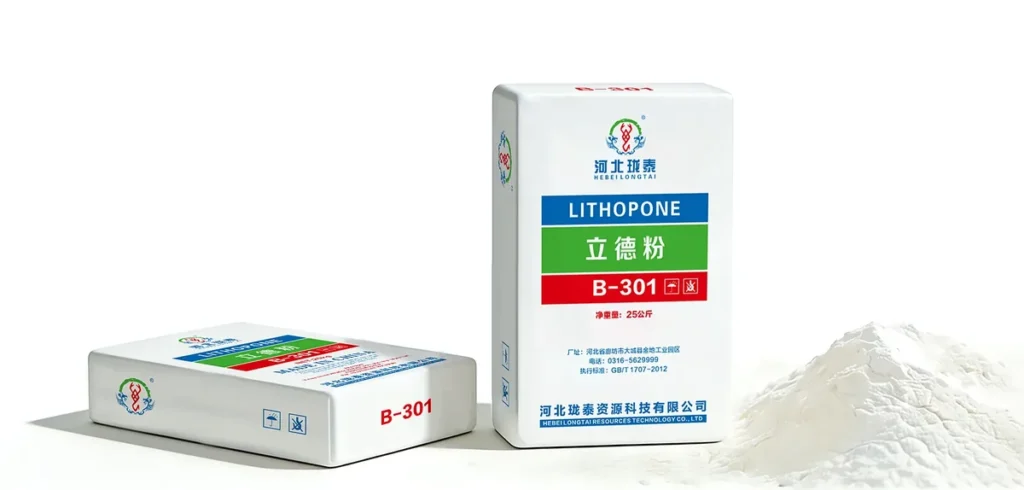
The LR-960 TDS is specific to LR-960. The titanium dioxide SDS is a general-type TiO2 document, so confirm applicability to the ordered grade. The B-301 / B-311 COA reports results for the identified sample batch, not all future shipments.
When a bag label, quotation and document show different model names, resolve the identity before testing or ordering. Keep document revisions with the approved sample and ask for shipment-specific records during order confirmation. Management system certificates describe their stated scope; they should not be treated as a substitute for product test results.