Author: longtai_admin

  • Lithopone powder: grades and supplier selection

    Lithopone powder: grades and supplier selection

    Define the product before comparing suppliers

    Lithopone powder is a co-precipitated white pigment containing zinc sulfide and barium sulfate. Commercial grades are used in selected coatings, rubber and plastics systems. Their suitability depends on composition, processing characteristics and the finished-product target.

    A useful supplier inquiry describes the material needed, not merely a request for the lowest lithopone price. Provide the application, approved performance target and expected order size.

    What to check for B-301 and B-311

    Longtai lists B-301 and B-311 in its product catalog. Request the current grade specification and confirm which parameters are guaranteed limits, which are typical values and which test methods apply.

    Document or resultPurpose
    Technical data sheetDescribes the grade and published product characteristics.
    Safety data sheetProvides handling, storage and exposure-control information.
    Batch inspection recordRelates reported results to an identified shipment or batch.
    Application trialConfirms how the material performs in your process.

    Do not infer an exact zinc sulfide percentage or a universal performance ranking from the grade name alone. Compare the offered specifications and the actual sample results.

    Run a useful qualification trial

    Use the same binder, additives, pigment loading, mixing equipment and test methods when comparing materials. Record dispersion time, appearance, viscosity and any relevant optical or mechanical results. Retain an approved reference sample and identify the batch used for the trial.

    Where lithopone is intended to replace part of a TiO2 package, measure the final product against the original target. A change in whiteness or processing behaviour can require reformulation rather than a direct one-for-one substitution.

    Seven questions for supplier evaluation

    1. Can the offered product be linked to a clear specification?
    2. Are the sample and future deliveries traceable by grade and batch?
    3. Are the current TDS and SDS available?
    4. Can packaging and shipping requirements be agreed before dispatch?
    5. What are the lead time and quotation validity?
    6. How are inspection differences investigated?
    7. Can the required destination-market documentation be supplied for this product?

    Evaluate the answers and supporting evidence rather than inferring capability from website language or a label such as manufacturer or trader.

    Receiving and ongoing quality control

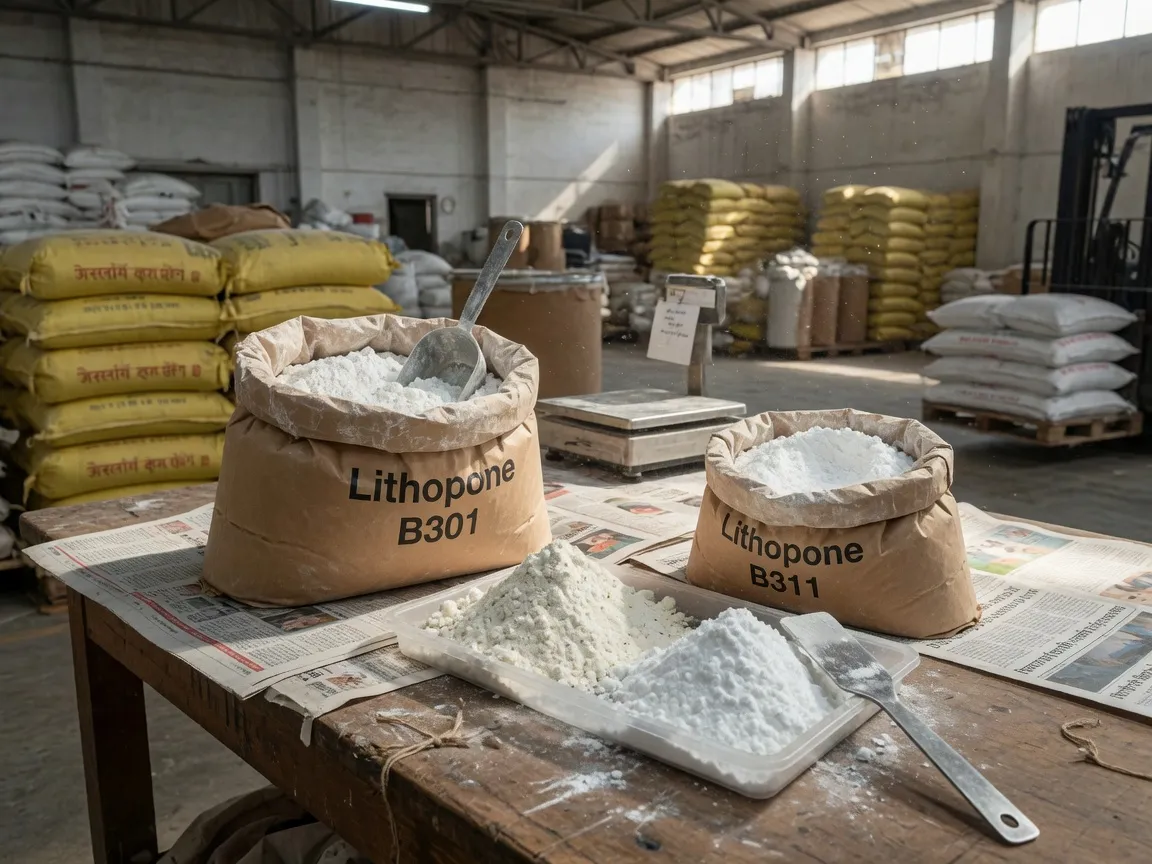
    On receipt, inspect packaging, batch identification and the condition of the powder. Store bags dry, covered and away from incompatible chemicals according to the SDS. Retest relevant characteristics if a package has been damaged or material has been exposed to moisture.

    Track results over repeat deliveries. A consistent approval and inspection process makes later technical discussions more useful than isolated comparisons between unrelated laboratory methods.

    The U.S. International Trade Administration: common export documents overview is a useful general checklist for an international shipment. Confirm the actual documents with the parties and authorities responsible for the origin, destination and trade route.
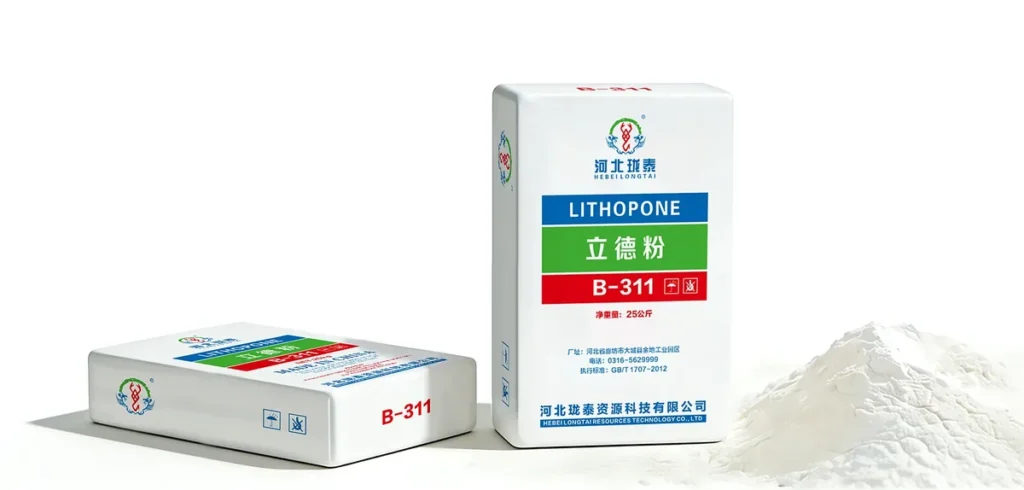
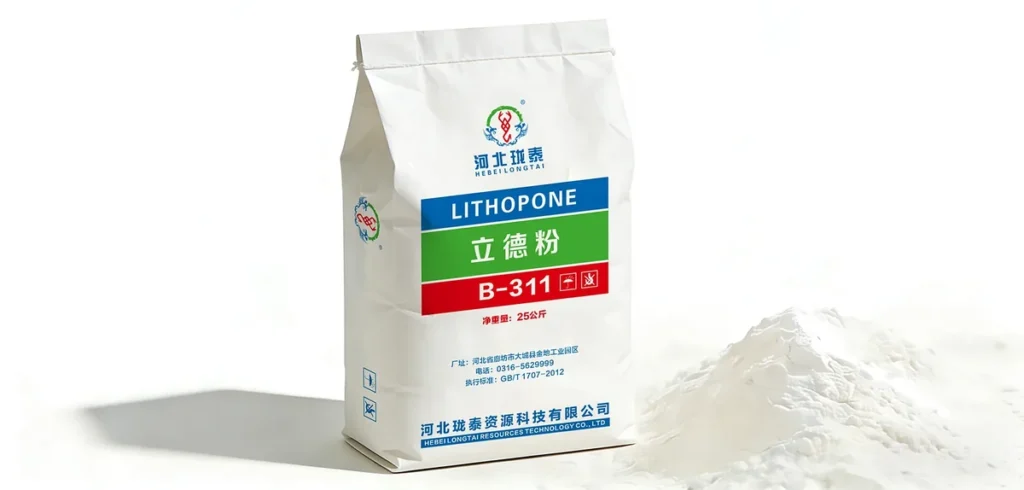
    Longtai B-311 lithopone, packaging pair
    Longtai B-311 packaging illustration; evaluate supplier records together with the approved sample.

    Supplier qualification continues after the sample

    A first sample is only one part of qualification. Before a repeat order, check that the supplier can identify the same grade, maintain the agreed specification and provide shipment traceability. Keep a retained sample and compare delivered batches using a consistent incoming inspection procedure.

    Supplier discussionPractical evidence
    Product consistencyAgreed limits, methods and retained trial records.
    TraceabilityGrade and lot identification linked to the shipment documents.
    Change communicationAn agreed process for discussing changes relevant to the approved material.

    Review Longtai’s company information and the management system certificates within their stated scope. These support a supplier review but do not replace grade or batch testing.

    Frequently asked questions

    Is the highest stated whiteness always better?

    It is one factor. The appropriate grade must also meet dispersion, stability, binder demand and finished-product requirements.

    Should I approve a grade before a bulk order?

    A representative sample and agreed specification reduce uncertainty when introducing a new material.

    What should I send to Longtai?

    Discuss your application with Longtai Chemical. Include the target grade, required quantity, packaging and destination port so the team can prepare a relevant product recommendation and quotation.

  • Comparing white pigments for coatings beyond the price per tonne

    Comparing white pigments for coatings beyond the price per tonne

    Compare equivalent finished performance

    A lower pigment price does not by itself establish a lower formulation cost. Compare coating coverage, film thickness and the loading required to meet the same target. Include dispersion time and other process effects where they affect production.

    Measure more than initial whiteness

    Evaluate hiding power, undertone, gloss, viscosity and storage stability using consistent methods. A small colour difference can matter in a tinted coating. Review the results at the film thickness and drying conditions relevant to the finished product.

    Consider the exposure conditions

    Interior and exterior coatings face different demands. A pigment package that works in an indoor primer may not meet the needs of an outdoor topcoat. Assess weathering, water resistance and other required properties at the formulation level.

    Confirm changes through trials

    When considering lithopone or another change to a titanium dioxide pigment package, test multiple formulations against an approved control. Replacement ratios and cost savings must be demonstrated in your system. Request grade information and samples before making a commercial change.

    For the identity of the rutile pigment family, see NIST Chemistry WebBook: rutile (TiO2). Compare commercial grades using current technical data and equivalent finished-coating tests.

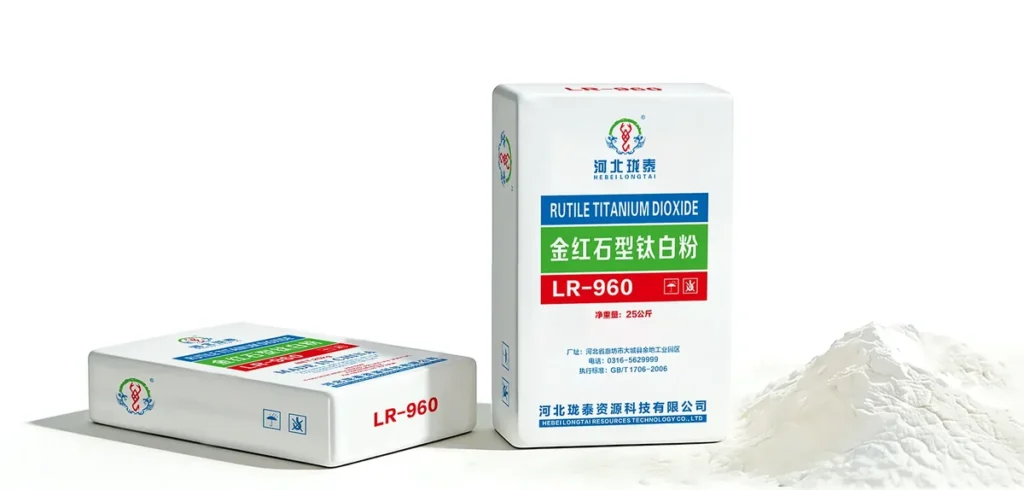
    Longtai LR-960 titanium dioxide, rutile packaging pair
    LR-960 rutile titanium dioxide packaging illustration; coating cost comparisons require equal finished performance.

    Compare the cost of the accepted coating

    MeasureWhy it changes the comparison
    Contrast ratio at fixed film thicknessShows whether the pigment package meets the same hiding requirement.
    Application viscosity and binder demandChanges application behaviour and sometimes the formulation cost.
    Coverage and dry-film thicknessRelates the formulation to the area coated at the specified performance.
    Storage and service performanceReveals settling, colour drift or durability failures missed by an initial drawdown.

    First establish the minimum acceptable opacity, gloss, colour and durability. Then compare formulas that meet those limits. Dividing one pigment’s price by another’s price ignores loading, binder consumption, processing effort and rejected material. An apparent saving in pigment cost can disappear if the paint requires more coats.

    A controlled substitution sequence

    Keep a retained control and create a documented series of small formulation changes. For a partial lithopone substitution, compare B-301 or B-311 in the intended interior formulation. Review the TiO2 grade and the pigment volume concentration before interpreting the results.

    For exterior systems, include the exposure and durability requirements in the test plan. Confirm accepted performance before calculating cost per unit of finished paint or per coated area. The Longtai catalog provides a product shortlist; it does not replace testing in the customer’s binder.

  • Lithopone in paint: uses and formulation guidance

    Lithopone in paint: uses and formulation guidance

    What does lithopone do in paint?

    Lithopone is a white pigment based on co-precipitated zinc sulfide and barium sulfate. In suitable paint systems it can contribute whiteness, body and opacity as part of the overall pigment package. It should be assessed within the complete formulation, including binder, extenders, dispersants and other additives.

    The objective is a coating that meets its intended specification at an acceptable total cost. Loose-powder whiteness alone does not predict the appearance or durability of a dried paint film.

    Lithopone and titanium dioxide serve different roles

    Titanium dioxide generally provides stronger light scattering than lithopone. Suitable rutile grades are widely considered where high hiding power or demanding durability is required. Lithopone can be evaluated in selected interior and other appropriate systems, but a universal substitution ratio cannot be assumed.

    For exterior topcoats, include weathering and colour stability in the assessment. Do not transfer an interior result directly to a sun-exposed façade or industrial product. Longtai’s coatings application guide and product catalog help identify options for discussion.

    A controlled formulation trial

    1. Define the reference paint and the required dry-film properties.
    2. Review the pigment specification and SDS before handling.
    3. Prepare a dispersion using the intended binder or dispersing medium.
    4. Change pigment proportions in planned steps while recording the pigment volume concentration.
    5. Produce test films at a consistent thickness and curing condition.
    6. Compare optical, application and durability results before moving to a production trial.

    Record grinding conditions and any changes in viscosity or binder demand. There is no single addition rate that applies to all emulsions, enamels or substrates.

    What to measure in the finished coating

    AssessmentReason
    Dry opacity and colourShows whether the formulation reaches its visual target.
    Gloss or sheenCan reveal changes in dispersion and pigment packing.
    Application and rheologyChecks flow, levelling and processing behaviour.
    Scrub, adhesion and film propertiesChecks requirements that appearance alone cannot establish.
    Storage and exposure stabilityHelps identify settling, viscosity change or colour instability.

    Common mistakes to avoid

    Do not judge the pigment using an unrelated test method, compare coatings at different film thicknesses or reduce binder solely to offset a change in powder cost. Skipping dispersion evaluation can produce a poor result even when the grade is otherwise suitable.

    When selecting between B-301 and B-311, use current product data and your own application results. Discuss unusual processing conditions or end-use requirements before ordering.

    The NIST Chemistry WebBook: zinc sulfide provides an identity reference for a lithopone constituent. Chemical identity alone cannot predict opacity, durability or the substitution ratio in a paint formulation.

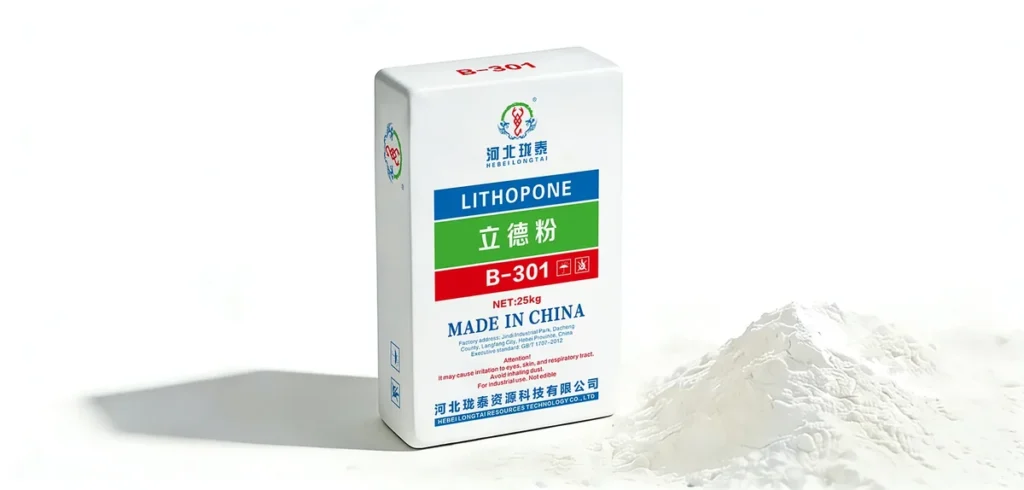
    Longtai B-301 lithopone, packaging pair
    B-301 lithopone packaging illustration for a controlled paint-formulation evaluation.

    Record the control before changing the white pigment package

    Test recordKeep consistent
    FormulationBinder, dispersant, extenders and pigment volume concentration.
    ApplicationSubstrate, drawdown method, wet or dry film thickness and cure.
    EvaluationContrast ratio, colour, gloss, viscosity and relevant service tests.

    When changing the TiO2 and lithopone balance, make a documented series rather than a single uncontrolled substitution. Assess the accepted coating after storage as well as immediately after manufacture. Binder demand and dispersion can influence the apparent saving.

    Review B-301 and B-311 separately. No universal replacement percentage is implied by the product photographs or by the general uses in this guide.

    Frequently asked questions

    Can lithopone fully replace TiO2 in paint?

    That depends on the target, and a complete replacement should not be assumed. Evaluate opacity, durability and total formulation cost.

    Is lithopone automatically suitable for exterior paint?

    No. The grade and complete coating need testing for the actual exposure conditions.

    Can Longtai help select a starting grade?

    Discuss your application with Longtai Chemical. Include the target grade, required quantity, packaging and destination port so the team can prepare a relevant product recommendation and quotation.
  • Titanium dioxide for plastics and masterbatch: what to test

    Titanium dioxide for plastics and masterbatch: what to test

    Define the polymer and process

    Specify the polymer, processing temperature, pigment loading and finished product. A pigment intended for an injection moulded part may need a different balance of properties from one intended for thin film. Include whether the material is used indoors or outdoors.

    Check dispersion and appearance

    Compare dispersion, opacity, tinting strength and colour at the intended loading. Examine thin sections or films for visible specks and evaluate filter pressure where relevant. Use the same resin, additives and processing settings when comparing grades so that the results remain useful.

    Evaluate processing compatibility

    Surface treatment and moisture can affect processing behaviour. Review the technical data sheet and discuss the operating conditions with the supplier. Confirm melt behaviour, surface finish and any effects on the properties required by the finished product specification.

    Confirm application requirements

    Industrial pigment information does not establish approval for food contact, medical or other regulated uses. Identify the destination market and request the documents needed for your specific application. Complete a production trial before adopting a new grade or changing pigment loading.

    For the EU regulatory context, the European Commission: food contact materials overview explains why food-contact requirements need a separate assessment for the final material and intended use.

    Longtai LR-963 titanium dioxide, packaging pair
    LR-963 rutile TiO2 packaging illustration for the masterbatch and plastics product range.

    A trial matrix for masterbatch qualification

    Trial variableRecord and hold constant
    Carrier and let-down resinPolymer type, carrier compatibility, additives and final let-down ratio.
    Pigment concentrationMasterbatch concentration and the actual concentration in the finished part.
    Processing windowTemperature profile, screw configuration, throughput and residence time.
    Quality observationsDispersion, screen residue, colour, opacity, surface specks and processing pressure.

    Record the control grade and use the same resin batch where practical. A white powder that disperses well in a liquid binder may behave differently in an extruder. Screen performance and surface appearance are particularly useful when coarse agglomerates create defects, but their acceptance limits must come from your process and customer requirements.

    Connect the trial to the correct product

    Longtai lists LR963 and R6658 for plastics and masterbatch applications. Compare each entry’s current technical data and surface treatment; similar uses do not establish identical performance.

    For food-contact, medical, toy or other regulated end uses, request the documentation applicable to the exact supplied grade and destination. A generic TiO2 SDS or a successful colour trial does not establish that approval. Share your polymer, processing temperature and acceptance criteria in the inquiry so the product discussion starts from the actual application.

  • Lithopone uses in paint, rubber, plastics and coatings

    Lithopone uses in paint, rubber, plastics and coatings

    Why the application determines pigment selection

    Lithopone is used as a white pigment in selected paints, rubber compounds, plastics and paper systems. The co-precipitated zinc sulfide and barium sulfate composite contributes different properties from an ordinary extender. Its usefulness depends on what the finished product must do and how the pigment is dispersed.

    Start with the substrate, process, colour target and exposure conditions. A grade that performs well in an interior paint may need a separate evaluation before use in a polymer or rubber compound.

    Paint and decorative coatings

    In selected interior coatings, lithopone can contribute whiteness, body and opacity as part of a complete pigment package. Evaluate the dry film rather than judging the wet paint or loose powder alone. Compare contrast ratio, colour, sheen, scrub resistance and storage stability at a consistent film thickness.

    Keep binder content and pigment volume concentration under control during comparisons. Lower powder cost can be offset by additional binder demand or the need for a thicker film. See Longtai’s coatings application page for a wider pigment discussion.

    Rubber and polymer applications

    In rubber, assess dispersion, colour, cure characteristics and the mechanical properties required by the compound. A filler or pigment adjustment can influence more than appearance, so use the actual elastomer and processing conditions in the trial.

    For plastics and PVC systems, compare processing behaviour, colour uniformity, specks and surface finish. Review moisture sensitivity and the documents required for the final market. A general industrial pigment recommendation does not establish suitability for food contact, medical or other regulated uses.

    Paper, inks and other selected uses

    Paper and coating systems need evaluation of brightness, opacity, retention and compatibility with the process chemistry. Inks require particular attention to dispersion, viscosity and the desired film properties. Leather coatings and other specialty applications likewise need testing in the actual binder system.

    ApplicationTypical trial priorities
    Interior paintDry opacity, colour, sheen, scrub resistance and storage stability.
    RubberDispersion, curing response and mechanical properties.
    PlasticsProcessing compatibility, colour uniformity and surface appearance.
    Paper and inksSystem compatibility, dispersion and optical performance.

    Selecting and qualifying a Longtai grade

    Compare lithopone B-301 and B-311 against the current specification and a representative sample. Where the goal is partial replacement of titanium dioxide, change one variable at a time and measure the resulting product.

    Do not assume a fixed substitution percentage, an automatic outdoor durability benefit or a regulatory approval based on the pigment family. Retain your formulation and quality records so later batch comparisons remain meaningful.

    For EU food-contact applications, review the European Commission: food contact materials framework and obtain product-specific compliance evidence. General industrial pigment suitability does not establish food-contact approval.

    Longtai B-311 lithopone, branded flexible bag
    B-311 lithopone branded bag illustration. Application approval depends on testing in the actual formulation.

    Use a different acceptance plan for each application

    ApplicationUseful trial observations
    Interior paintOpacity, colour, application viscosity and the required film properties.
    RubberDispersion, cure response and the specified mechanical properties.
    PlasticsProcessing compatibility, opacity, colour and finished surface appearance.
    Paper or inkDispersion and performance in the actual wet-end, coating or ink vehicle.

    A good result in one binder or polymer cannot automatically be transferred to another. Start with a grade specification and define the customer’s acceptance limits before comparing the sample with the control. For outdoor or regulated uses, discuss the additional exposure and documentation requirements explicitly.

    Use the application guides to frame the discussion and request the appropriate lithopone batch records.

    Frequently asked questions

    What is the main purpose of lithopone?

    It provides a white pigment contribution and body in suitable industrial formulations. Its role varies with the application and grade.

    Can one grade serve all industries?

    A product may be evaluated in several applications, but each process and finished-product requirement needs its own qualification.

    How do I discuss a new application?

    Discuss your application with Longtai Chemical. Include the target grade, required quantity, packaging and destination port so the team can prepare a relevant product recommendation and quotation.
  • Lithopone white pigment: properties and purchasing checks

    Lithopone white pigment: properties and purchasing checks

    Understand the white pigment being evaluated

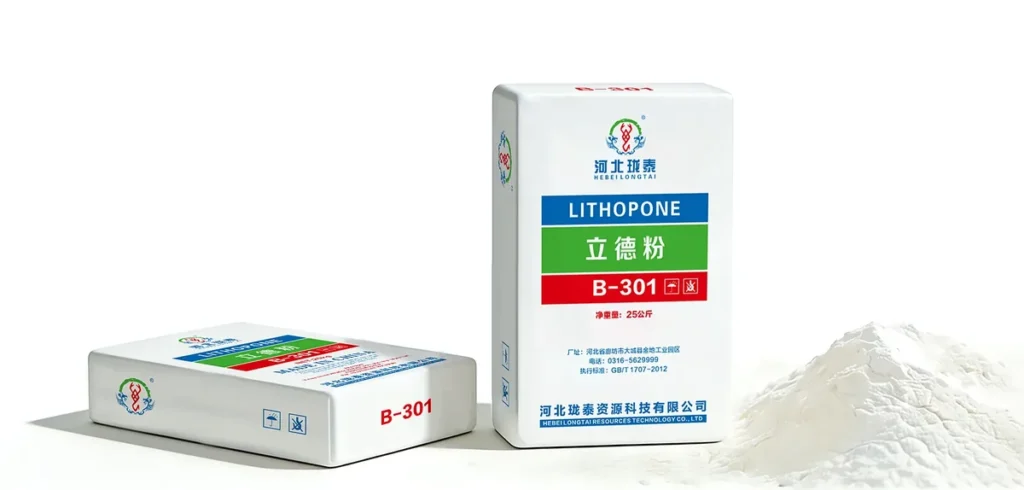
    Lithopone is a composite white pigment based on zinc sulfide and barium sulfate. It is supplied as a fine powder for selected industrial formulations. Its value depends on the balance between optical contribution, processing behaviour and the cost of achieving the required finished-product performance.

    When comparing offers, distinguish the description of the pigment family from the specification of a particular grade. Longtai’s B-301 and B-311 pages are starting points for a grade discussion; request the current supporting documents for the proposed order.

    Which properties deserve attention?

    PropertyPurchasing question
    Whiteness and undertoneWhat is the test method and the approved reference sample?
    Hiding or tinting performanceHow does the pigment behave in the intended binder?
    Oil absorptionDoes binder demand affect formulation cost or viscosity?
    Dispersion and coarse residueCan the existing process produce a uniform finished material?
    Moisture and soluble matterAre the limits appropriate for handling and product stability?

    Review units and test conditions before comparing numerical values. A result reported in a different test system may not support a direct ranking of two materials.

    Light exposure and service conditions

    Lithopone can show changes under light exposure, depending on the grade and the surrounding formulation. Initial whiteness is therefore not evidence of outdoor durability. Test representative panels or products under conditions relevant to the intended service life.

    For exterior coatings and other demanding applications, review suitable titanium dioxide grades alongside lithopone rather than assuming the same pigment package will work everywhere. A successful indoor trial does not establish performance in sunlight, humidity or weather cycling.

    Documentation for an international order

    Request a TDS for product information, an SDS for handling guidance and available batch inspection records for supplied material. If a destination market or customer requires particular chemical restrictions or regulatory documents, identify those requirements before ordering.

    A general statement about REACH, RoHS or an industrial standard does not establish that every grade and use is covered. Confirm the exact product, intended application, document date and scope with the relevant parties.

    From sample approval to delivered material

    Record the sample identity and testing conditions. Agree how future batches will be assessed against the approved specification, including packaging identification and the handling of a technical complaint. Inspect bags on arrival for damage, moisture and legible batch markings.

    Store sealed bags off the floor in a dry, covered area. Avoid contamination from incompatible chemicals, and follow the supplied SDS when opening or transferring powder. Review stock condition before using material that has been stored for an extended period.

    For general guidance on the purpose of an SDS, see UK HSE guidance on chemical safety data sheets. This is UK workplace guidance; obtain the supplied product’s current SDS and follow the requirements for your own market.

    Longtai B-301 lithopone, export label bag
    Illustrative B-301 export-label packaging with the grade designation visible.

    Connect powder properties with the finished product

    Reported propertyApplication question
    Whiteness or colourDoes the finished film or compound meet the target under the agreed conditions?
    Oil absorptionDoes the pigment change binder demand or viscosity in this formulation?
    Sieve residueAre coarse particles or agglomerates creating unacceptable defects?
    Moisture and soluble matterAre handling and process consistency acceptable for the intended use?

    Values measured by different methods should not be treated as directly interchangeable. Ask which method and reference sample were used, and compare the same material under your own production-relevant test conditions.

    Keep the TDS and COA review alongside the sample assessment so purchasing and quality teams use the same product identity and acceptance basis.

    Frequently asked questions

    Is the whitest powder always the best choice?

    No. Finished colour, opacity, dispersion, stability and binder demand need to be evaluated together.

    Does a sample result guarantee all future batches?

    The purchase specification and agreed quality controls define the supply requirements. Keep batch records and inspect deliveries.

    What information helps Longtai prepare a quotation?

    Discuss your application with Longtai Chemical. Include the target grade, required quantity, packaging and destination port so the team can prepare a relevant product recommendation and quotation.
  • Rutile TiO2: properties, processes and grade selection

    Rutile TiO2: properties, processes and grade selection

    What is rutile titanium dioxide?

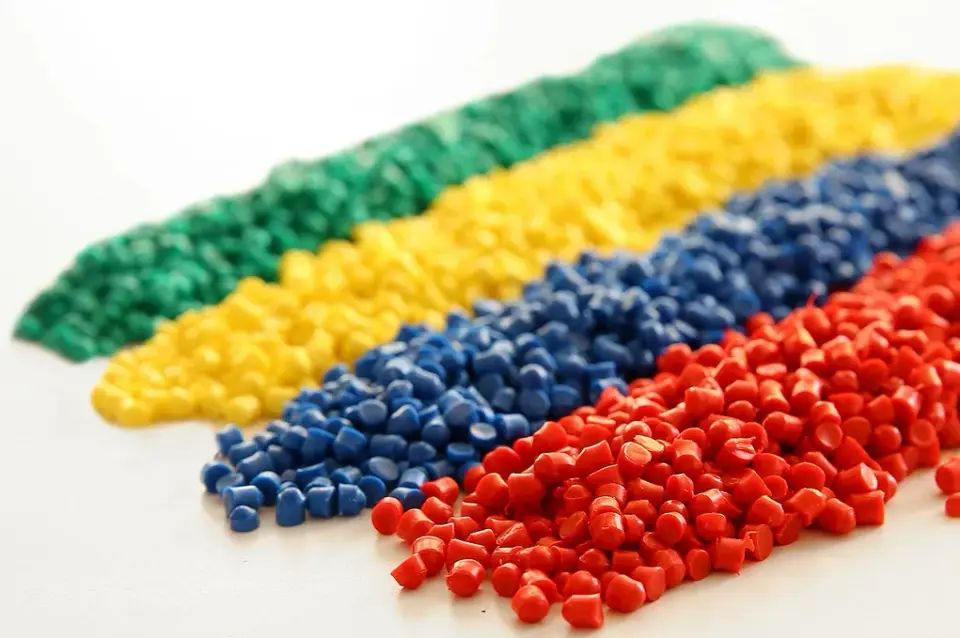
    Rutile is one of the crystal forms of titanium dioxide. Pigment grades are valued for strong light scattering and are widely evaluated for white and coloured coatings, plastics, inks and other industrial systems. The finished pigment’s performance depends on particle characteristics, surface treatment and dispersion as well as crystal form.

    Rutile and anatase share the chemical formula TiO2 but can behave differently in formulations. Select a specific grade for the intended service conditions rather than treating every titanium dioxide product as interchangeable.

    Chloride and sulfate production routes

    Both chloride and sulfate routes are used to produce titanium dioxide pigments. Production route can influence the product family, but it does not by itself establish the suitability of a finished grade. Particle control, inorganic treatment, organic treatment and processing history also matter.

    Longtai’s catalog includes a chlorination-process titanium dioxide page and other rutile grades. Use the current specification and application results when comparing offers from different routes.

    Which technical properties should buyers compare?

    ParameterApplication relevance
    TiO2 content and crystal informationDescribes important aspects of the offered pigment.
    Tinting strength, colour and undertoneRelates to appearance in the finished formulation.
    Dispersion and particle behaviourAffects processing, defects and optical efficiency.
    Oil absorption or binder demandCan affect rheology and formulation balance.
    Surface treatmentInfluences compatibility and performance in a particular system.

    High stated whiteness is not a complete grade-selection method. Compare values only when the units, reference material and test conditions are understood.

    Match the grade to coatings, plastics or inks

    For coatings, consider hiding power, colour, gloss, dispersion and the durability requirements of the film. Longtai’s LR960 page provides one product entry to discuss with the team.

    For plastics, include processing temperature, dispersion, appearance and the intended outdoor or indoor service. For inks and colour pastes, review particle dispersion, viscosity and binder compatibility. See the applications section for related uses. A grade approved in one system should be separately evaluated in another.

    Documentation and international sourcing

    Request a current TDS, SDS and available batch inspection information. Identify the destination market and any specific end-use requirements before ordering. Industrial pigment data does not establish cosmetic, food-contact, medical or other regulated-use approval.

    Agree on product identity, packaging, lead time and the delivery term. Customs classification and import requirements should be confirmed with the relevant broker or authority for the actual product and market. Historical prices and general regulatory statements are not substitutes for current order documentation.

    The NIST Chemistry WebBook: rutile (TiO2) provides a chemical-identity reference. It does not establish the surface treatment, durability or suitability of any specific industrial pigment grade.

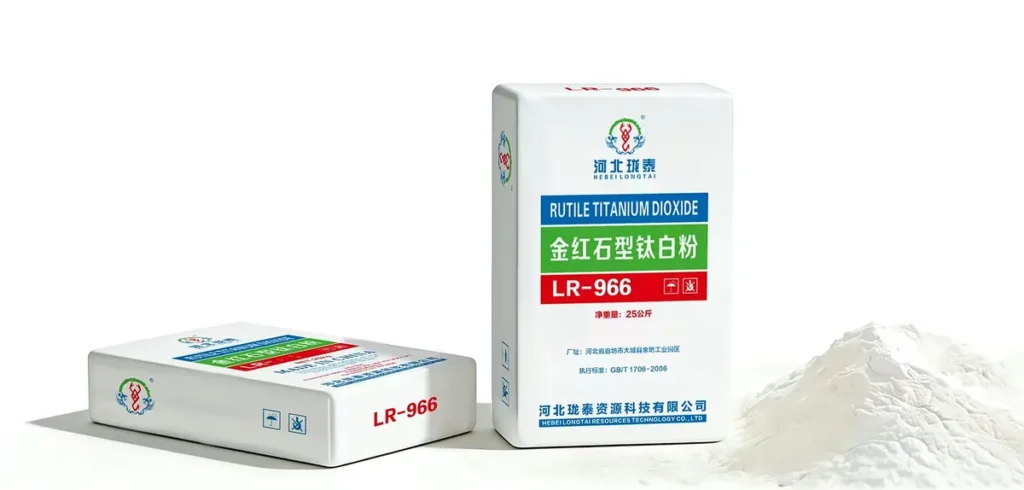
    Longtai LR-966 titanium dioxide, packaging pair
    Longtai LR-966 rutile titanium dioxide packaging illustration. Confirm the technical entry and surface treatment for the order.

    Shortlist a rutile grade by the process you run

    ProcessCatalog starting pointQualification focus
    Multipurpose coatingsLR960Dispersion, hiding power, gloss and service requirements.
    Plastics and masterbatchLR963 or R6658Polymer compatibility, dispersion and processing colour.
    Water-based paper or paintLR962 or R6638Water wetting, dispersion and actual paper or coating performance.
    Inks and colour pastesLR966 or R6668Vehicle-specific grind, viscosity, opacity and stability.

    This shortlist reflects the published application areas rather than an equivalence claim. Confirm the exact grade designation and surface treatment, especially where catalog entries share a model label. The LR-960 TDS is model-specific; request separate data for other grades.

    Frequently asked questions

    Does chloride-route production guarantee the best grade?

    No single route establishes performance in every formulation. Compare the finished product and a controlled trial.

    Can a coating pigment also be used in cosmetics?

    Industrial suitability does not establish cosmetic compliance. The exact product and intended use need separate review.

    What helps Longtai recommend a rutile grade?

    Discuss your application with Longtai Chemical. Include the target grade, required quantity, packaging and destination port so the team can prepare a relevant product recommendation and quotation.
  • Lithopone B-301 and B-311: a practical selection checklist

    Lithopone B-301 and B-311: a practical selection checklist

    Understand what lithopone contains

    Lithopone is a white inorganic pigment based on zinc sulfide and barium sulfate. It is used in selected paint, rubber and plastics formulations. A commercial grade name is a starting point for discussion; the supplier’s current specification is the basis for comparing products.

    Compare the technical data

    For B-301 and B-311, ask for the specified zinc sulfide content, whiteness, oil absorption, moisture, sieve residue and other properties relevant to your process. Confirm the test methods and whether a value is a guaranteed limit or a typical result. The final product index is subject to the applicable inspection report.

    Test compatibility and performance

    Check dispersion in the intended binder or polymer, finished appearance, hiding power and stability. Where titanium dioxide and lithopone are used together, evaluate the whole pigment package. No single replacement percentage applies to all formulations, and an indoor result does not establish outdoor durability.

    Prepare a clear inquiry

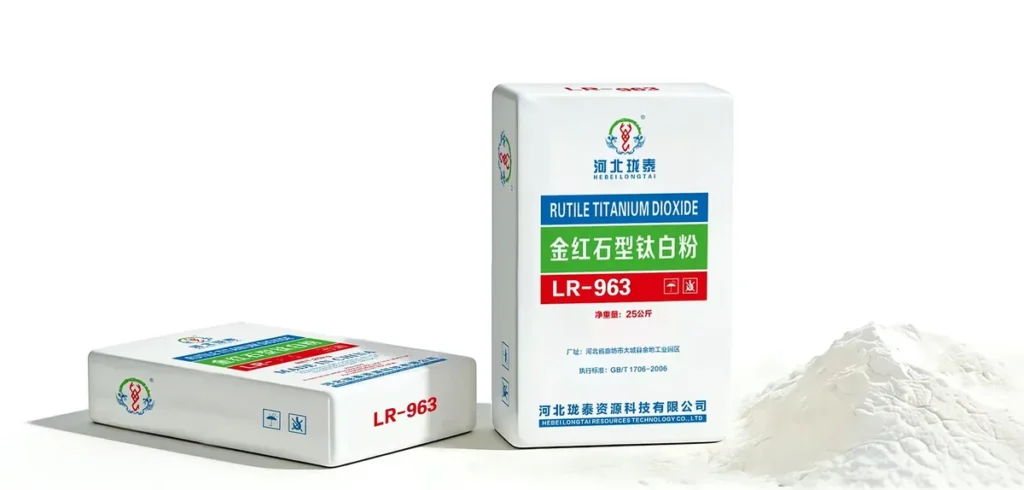
    Include your application, existing formulation constraints, expected volume, packaging and destination port. Ask for a suitable sample and current TDS and SDS. Longtai’s product catalog provides separate B-301 and B-311 pages so buyers can review the published grade information before requesting a quotation.

    For the identity of the zinc sulfide constituent, consult NIST Chemistry WebBook: zinc sulfide; use Longtai’s agreed grade specification for actual purchase limits.

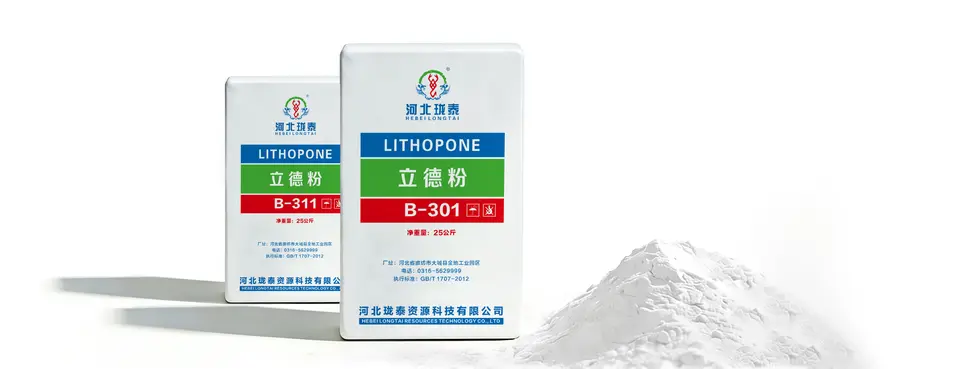
    Longtai B-311 lithopone, packaging pair
    B-311 lithopone packaging illustration; compare B-301 and B-311 using separate specifications and batch documentation.

    Create a B-301 versus B-311 trial sheet

    RecordWhat to compare
    Product identitySupplier, full grade designation, sample batch and document revision.
    Laboratory controlsBinder or polymer, pigment loading, mixing sequence and test method.
    Finished performanceOpacity, colour, dispersion and application-specific durability or mechanical properties.
    Commercial scopePackaging, quantity, delivery term and destination on the same basis.

    A useful comparison links the delivered pigment to a documented application result. Test each candidate against the current approved formula before changing the titanium dioxide fraction. A grade name alone does not establish a universal substitution percentage or a guaranteed zinc sulfide content across suppliers.

    Use the reference COA correctly

    The Longtai lithopone reference COA identifies batch 20260817. It is useful for understanding the reported parameters, but it is not the inspection result for a future delivery. Request the matching batch COA and current agreed specification when placing the order.

    If a trial changes viscosity, colour or opacity, adjust only one variable at a time and keep a record of the original control. The paint formulation guide explains why a raw-material price comparison should be checked against finished-coating performance.

  • Lithopone formula, composition and production explained

    Lithopone formula, composition and production explained

    What does the lithopone formula mean?

    Lithopone is commonly represented as ZnS·BaSO4 or described as a zinc sulfide/barium sulfate composite. This notation identifies the two principal components. It should not be read as proof that every commercial grade is a pure molecular compound with one fixed component ratio.

    Zinc sulfide contributes pigmentary light scattering. Barium sulfate contributes to the body and physical behaviour of the composite. Composition, particle characteristics and processing together influence the performance of the finished powder.

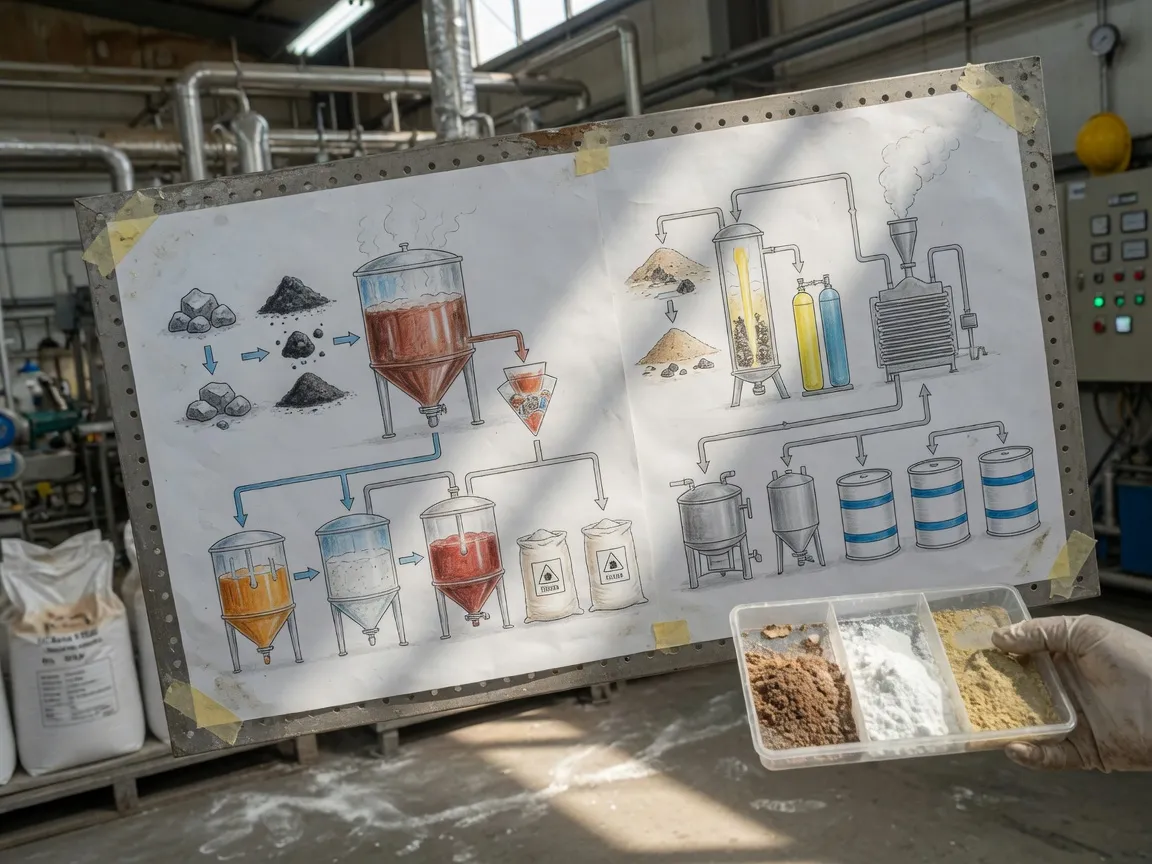
    The general precipitation reaction

    The core reaction is often written as:

    BaS + ZnSO4 → ZnS + BaSO4

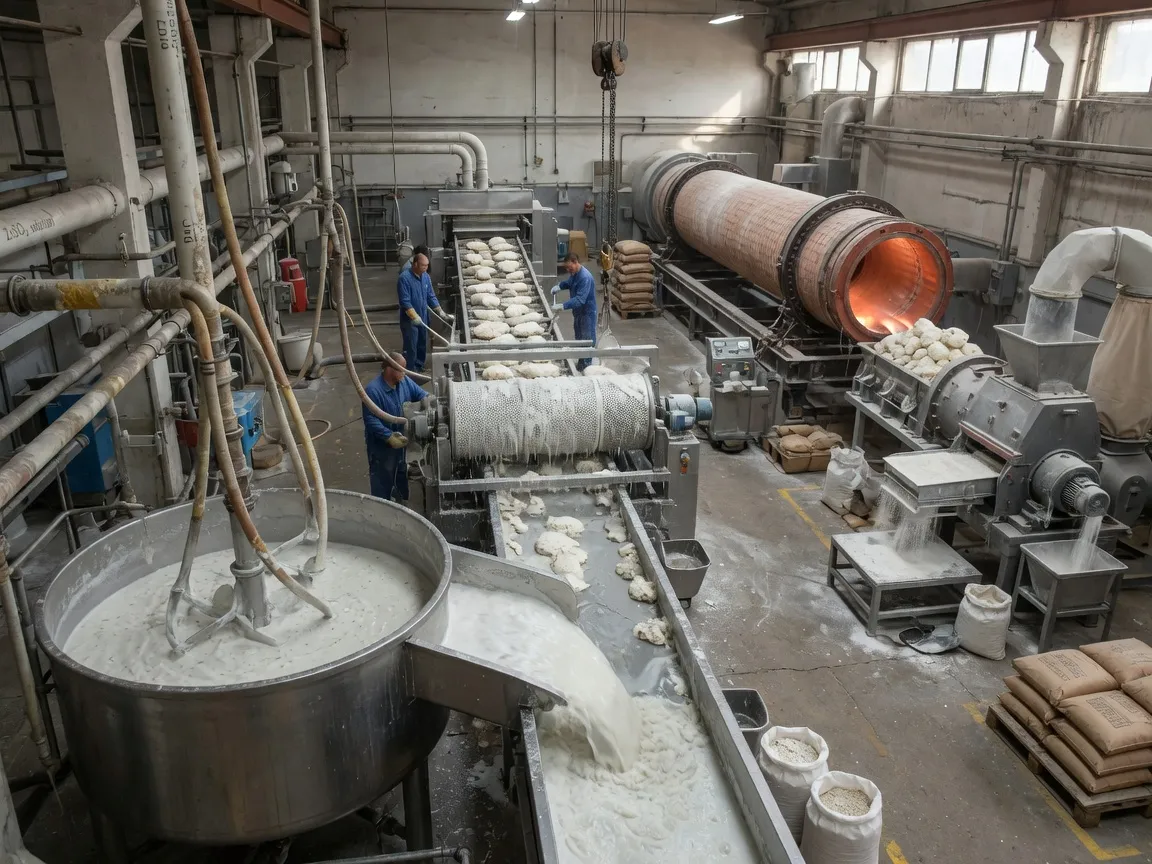
    In the general aqueous process, zinc sulfide and barium sulfate precipitate together. The material then goes through separation, washing and further processing to produce a usable pigment. This is a description of the pigment family, rather than a plant operating recipe or a statement of Longtai’s specific production settings.

    Commercial composition can vary with grade and process. Use the agreed product specification when a ZnS content or other limit is important to the purchase.

    Why processing and quality control matter

    Washing affects residual soluble material. Thermal treatment and subsequent milling influence particle characteristics, dispersion and optical behaviour. Classification and finishing help control coarse material and consistency.

    Quality checkWhat it helps establish
    CompositionWhether the offered grade matches the agreed material specification.
    Whiteness and optical testsHow the material compares under a defined method.
    Moisture and soluble matterInformation relevant to handling and system compatibility.
    Sieve residue and dispersionThe presence of coarse material and behaviour in processing.

    A batch inspection report should be matched to the grade and batch identifier on the delivery. Do not compare isolated numerical values without knowing their test method.

    Composition does not replace application testing

    Lithopone can be evaluated in paints, rubber, plastics and other selected industrial applications. Two powders with similar composition can still perform differently in the same binder because their particle and surface characteristics differ.

    Compare Longtai B-301 and B-311 using current data and a representative trial. If the objective is to reduce part of a titanium dioxide package, measure the resulting opacity, colour, stability and total formulation cost.

    Handling and storage

    Follow the current SDS for the supplied material. Control dust during transfer, keep packaging closed when not in use and protect powder from moisture and contamination. Store away from incompatible chemicals according to the SDS and the site’s handling procedures.

    Retain batch information when opening bags or transferring powder into another container so quality records remain traceable.

    The separate NIST Chemistry WebBook: zinc sulfide and NIST Chemistry WebBook: barium sulfate records help identify the principal components. They do not define the composition ratio or performance of a supplied commercial grade.

    Longtai B-301 lithopone, plain export pair
    Illustrative B-301 export-style packaging. The grade specification establishes the supplied pigment’s composition limits.

    Avoid confusing a component formula with a grade specification

    ZnS and BaSO4 identify the principal components of lithopone, while the commercial product is a composite pigment. A formula written as ZnS·BaSO4 is a convenient description of the system, not a universal composition ratio for every bag sold as lithopone.

    QuestionUse this evidence
    What substances make up lithopone?General chemistry references for zinc sulfide and barium sulfate.
    What composition is offered?The supplier’s current grade specification and agreed limits.
    What was measured for a delivery?The COA linked to the supplied batch.

    Use the separate B-301 and B-311 tables when comparing offers. Confirm the method and reporting basis before comparing a numerical composition value.

    Frequently asked questions

    Does lithopone have one fixed molecular weight?

    For a commercial composite pigment, composition and grade specification are more useful than assigning one molecular weight to every product.

    Is lithopone the same as titanium dioxide?

    No. They have different compositions and application behaviour.

    How do I request composition details for a grade?

    Discuss your application with Longtai Chemical. Include the target grade, required quantity, packaging and destination port so the team can prepare a relevant product recommendation and quotation.
  • What is lithopone? Types, uses and a buyer’s checklist

    What is lithopone? Types, uses and a buyer’s checklist

    Lithopone in a few words

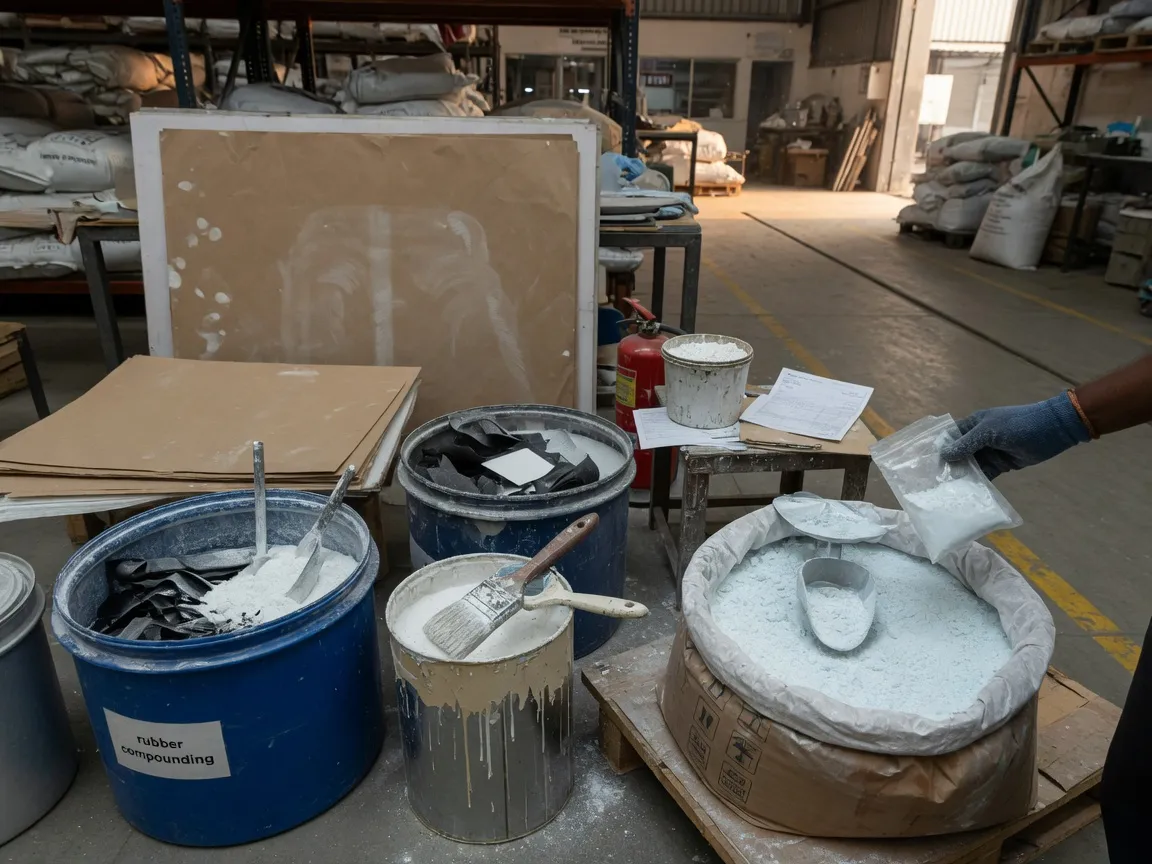
    Lithopone is a white inorganic composite pigment containing zinc sulfide and barium sulfate. It is used in selected industrial paints, rubber, plastics and other systems where its optical and physical contribution fits the formulation. It is commonly identified as Pigment White 5.

    It is not simply another name for titanium dioxide. Each pigment family has its own performance profile, and neither a low purchase price nor a bright powder appearance establishes suitability for a finished product.

    Understanding commercial types

    Longtai’s catalog includes lithopone B-301 and B-311. Compare the current specifications, the intended application and sample results. Similar grade names used by different suppliers should not be assumed to mean identical material.

    Buying questionEvidence to request
    Which grade is being offered?The product name and current agreed specification.
    How will it perform?Representative sample results in the actual formulation.
    How will batches be traced?Grade and batch identification with available inspection records.
    How should it be handled?The current SDS and packaging instructions.

    Where lithopone is considered

    In selected interior paints, lithopone can contribute whiteness and body to the pigment package. In rubber, it may be evaluated for colour and compound performance. Plastics need a review of processing compatibility, dispersion and appearance. Paper and specialty systems need testing in their own process chemistry.

    For demanding outdoor durability or high hiding power, suitable titanium dioxide grades may remain important. Evaluate any proposed blend or substitution against the finished-product specification rather than adopting a universal replacement percentage.

    A step-by-step purchasing checklist

    1. Describe the application, formulation constraints and target performance.
    2. Compare the offered grades and request current product documents.
    3. Test a representative sample with recorded conditions and methods.
    4. Agree on the specification, packaging and inspection process.
    5. Request a quotation with quantity, destination and delivery terms.
    6. Inspect and identify incoming bags, then store them dry and protected.

    When a customer or destination requires a particular certification or regulatory document, establish the exact requirement early. A general industrial pigment description does not automatically cover every regulated use.

    Comparing cost without losing performance

    Consider delivered cost, the amount of pigment needed, binder demand, processing time and potential rejects. A lower quoted price per tonne may not lead to a lower finished-product cost when formulations or performance differ.

    Historical online prices are useful only as context. Longtai’s current offer will depend on the grade, quantity, packaging, destination and commercial conditions stated in the inquiry.

    For a consolidated purchasing workflow, use our lithopone procurement guide. The NIST Chemistry WebBook: zinc sulfide is a reference for one constituent, rather than a specification for a commercial lithopone grade.

    Longtai B-311 lithopone, packaging pair
    Longtai B-311 lithopone packaging illustration from the product range.

    A first-order decision path

    StageDecision to make
    Define the useIdentify the binder or polymer, service conditions and required finished properties.
    Choose a shortlistCompare B-301 and B-311 with the supplier’s actual technical tables.
    Test a sampleKeep the control formulation and document any TiO2 substitution trial.
    Confirm the orderAgree on grade identity, specification, packing and shipment documents.

    If the objective is a lower formulation cost, compare candidates at equivalent finished performance. If the objective is opacity or colour, test the finished film or compound rather than selecting from the powder appearance. Keep the trial record connected to the exact sample batch.

    The Longtai download center provides the catalog and a reference lithopone COA. Request the current SDS and the COA for the actual shipment before final approval.

    Frequently asked questions

    What is the difference between B-301 and B-311?

    Review the supplier’s current specification and application results for each offered grade. The grade names alone are not a complete technical comparison.

    Can lithopone be used outdoors?

    The complete product must be assessed for the required exposure and durability. Indoor suitability does not establish outdoor performance.

    How can I start an inquiry?

    Discuss your application with Longtai Chemical. Include the target grade, required quantity, packaging and destination port so the team can prepare a relevant product recommendation and quotation.